
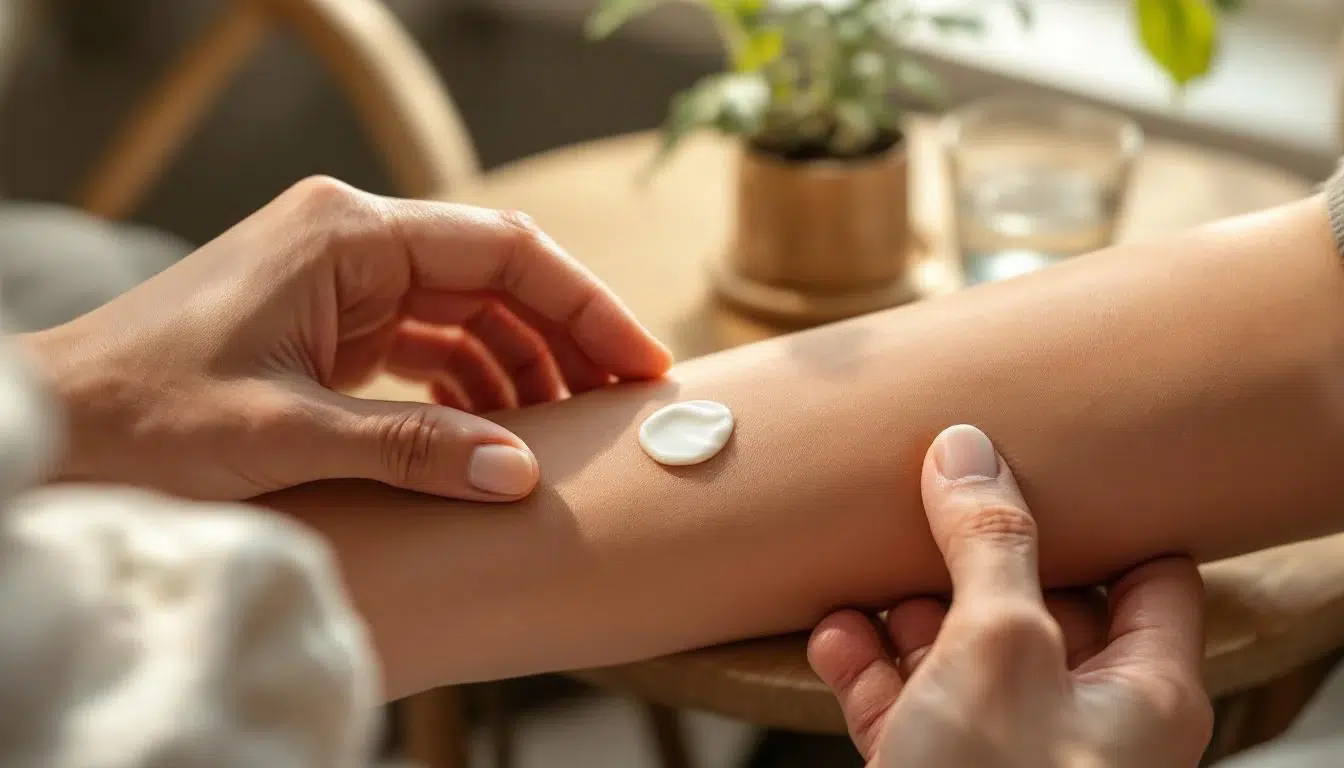

Eczema affects a growing number of adults and children, causing inflammation , redness, and sometimes debilitating itching . In recent years, cannabidiol (CBD) has seen renewed interest among those affected by this chronic skin condition. Its anti-inflammatory properties , soothing and moisturizing effects, and ability to interact with the human endocannabinoid system offer new perspectives in relieving the skin symptoms associated with eczema. This article reviews anecdotal evidence, data from clinical studies , and concrete applications of cannabinoids in dermatology.
Understanding eczema and its main challenges
Eczema , or atopic dermatitis, manifests as red patches, intense itching , and pronounced dryness of the skin . Flare-ups are often accompanied by irritated lesions and an increased risk of infection. Despite the importance of moisturizing treatments and commonly prescribed corticosteroid creams , many patients seek complementary solutions to reduce the frequency of flare-ups or alleviate their symptoms in the long term.
The main challenge lies in managing the vicious cycle that leads to skin dehydration, increased itching, and then the formation of lesions. The objective is twofold: to restore the skin barrier while controlling the inflammatory reaction responsible for the daily discomfort.
CBD and eczema: why does this duo generate so much interest?
Initially used for its anti-stress and analgesic properties, CBD is now finding a prominent place in dermatological routines. Several scientific studies have demonstrated that cannabinoids interact directly with skin receptors to modulate inflammation,promotecellular balance , and strengthen the skin's barrier function.
Topical application of CBD cream or oil is particularly appealing to those tired of daily corticosteroid treatments. It's important to note that a growing number of studies and professionals are highlighting the dermatological benefits of CBD for skin conditions such as eczema . User feedback reports a reduction in itching , rapid relief after application, and less irritation over the long term. This trend is attributed to a synergistic effect between skin hydration , immune modulation, and the anti-inflammatory action inherent in CBD.
The anti-inflammatory properties of CBD in eczema
The anti-inflammatory properties of cannabidiol are documented in animals and are beginning to be better understood in humans. By limiting the local production of cytokines responsible for irritation, CBD acts on the central mechanism of eczema flare-ups. This control of inflammation not only promotes relief from skin symptoms but also limits the progression to more severe lesions.
On the other hand, several in vitro studies show that CBD reduces the expression of inflammatory mediators in human skin cells, suggesting promising therapeutic potential against atopic eczema, dermatitis, and other conditions related to an excessive cutaneous immune. Furthermore, some specialized studies report encouraging results regarding the topical application of CBD for conditions such as eczema, acne, and even psoriasis.
Cannabinoids and dermatology: which topical applications should be prioritized?
Based on testimonials and initial clinical results, topical such as creams, balms, or oils enriched with CBD appear to be the most suitable for targeting areas affected by eczema locally. These formulations provide both intense hydration and immediate soothing action, without passing through the digestive system or exposing the entire body to cannabinoids.
CBD's transcutaneous penetration allows it to act quickly on inflammatory areas, soothe itching , and restart the natural healing process. It is common to incorporate other soothing active ingredients such as shea butter or colloidal oatmeal into these formulations to increase their effectiveness on the weakened skin barrier .
What clinical and scientific studies say
Scientific and clinical research on CBD and eczema , although recent, offers promising perspectives for the management of this chronic inflammatory disease. Randomized trials demonstrate improvements in clinical severity scores, a significant reduction in itching , and better skin hydration in patients treated with topical cannabidiol .
Nevertheless, further research and evaluation of CBD in large cohorts are still necessary. The absence ofsignificant side effects in most studies has generated particular interest among dermatologists keen to offer gentle alternatives to patients resistant or intolerant to conventional treatments.
Results observed in referenced clinical trials
A pilot study conducted in 2019 followed several adult volunteers with moderate to severe atopic dermatitis. Those who applied a CBD- for two weeks reported a marked reduction in nighttime itching and irritation compared to the placebo group. In most cases, improved skin hydration and fewer inflammatory flare-ups were noted.
Another controlled trial conducted in 2021 examined the effect of CBD on a population of children suffering fromchronic eczema. Researchers assessed a significant decrease in skin inflammatory markers and highlighted the good tolerability of the product used, with no serious side effects reported.
Comparison: topical application versus oral use
Topical application of CBD is currently preferred for treating eczema, as opposed to oral forms traditionally used for anxiety or chronic pain. Skin absorption provides a targeted concentration on the affected skin, without the risk of systemic drug interactions or unwanted sedation.
In comparison, ingesting CBD in capsule or traditional oil form may be of interest in cases where eczema is associated with significant anxiety, although few studies have compared these approaches strictly on the skin.
How to use CBD for eczema?
To incorporate CBD into a dermatological routine designed to soothe eczema, several precautions must be taken. The choice of product, the dosage, and the duration of application play a key role in maximizing the therapeutic potential of cannabidiol.
It is advisable to choose certified dermo-cosmetic preparations, free of perfumes and allergens, and whose labeling clearly indicates the CBD dosage, ideally derived from organic European hemp. User feedback shows that twice-daily use, morning and evening, optimizes the reduction of itching and the repair of micro-fissures typical of eczema-prone skin.
- Ensure the purity of the CBD (certificate of analysis from an independent laboratory)
- Apply a small amount of cream or a few drops ofoil to clean skin, massaging gently.
- Avoid scratching the area immediately after application to prevent compromising its effectiveness
- Test the product for several days on a small area before general use
- Combinetopical use with a suitable lifestyle (hydration, stress management, allergen limitation)
Frequently asked questions about CBD and eczema
Does CBD have any side effects when used on eczema?
Overall, CBD applied to the skin has very fewside effects, even in sensitive individuals. Possible reactions include rare cases of redness, a temporary feeling of warmth, or localized tingling, generally due to other components of the formula rather than the CBD itself. Clinical studies have not reported any serious adverse effects withtopical use, further reinforcing the product's safety.
- Low risk of allergic reaction
- No cases of severe irritation were reported in the main studies.
- Increased tolerance in the medium and long term
Which CBD product formats are suitable for eczema?
To target eczema,it is recommended to use restorative creams, nourishing balms, or CBD-rich oils, specifically designed fortopical application to the affected areas. These products combine relief from skin symptoms with deep hydration, essential for restoring comfort to eczema-prone skin. Choosing formulas without fragrance or harsh preservatives improves skin tolerance.
| Format | Main advantage |
|---|---|
| Cream | Hydration and targeted repair |
| Balm | Long-lasting protection |
| Oil | Rapid penetration, soothing massage |
What is the difference between CBD and other anti-inflammatory agents for eczema?
Unlike corticosteroids, CBD has a gentle effect without altering the skin's structure or causing rebound effects. Its plant origin and complex interaction with skin receptors place cannabidiol among the innovative options in dermatology. It can improve the response to conventional treatments while preserving themicrobiological balance of the delicate epidermis.
- No risk of skin thinning
- Good results on the intensity of itching
- Possible synergy with other dermocosmetic routines
Can conventional medical treatment and CBD be combined for eczema?
Yes, using CBD alongside conventional treatments is possible, provided the healthcare professional approves this approach and monitors progress. A suitable combination often allows for a gradual reduction in dependence on corticosteroid creams, especially if the patient experiences lasting relief from itching and improved skin hydration through the regular application of CBD-infused products.
- Consult a dermatologist before making any major changes to your treatment
- Start with small doses of CBD to assess tolerance
- Continue following the recommended hygiene and hydration practices.

Editor-in-Chief specializing in CBD
Julien, born on July 17, 1978, in the Paris region, is a prominent writer and expert in the field of CBD products. Following his studies, Julien developed a passion for natural remedies, including CBD. In 2022, he joined the CBD.fr team as an expert and regular contributor. Thanks to his scientific expertise and clear writing style, Julien helps demystify the complexities of CBD, while highlighting its benefits and potential applications through his articles and conference presentations.


