
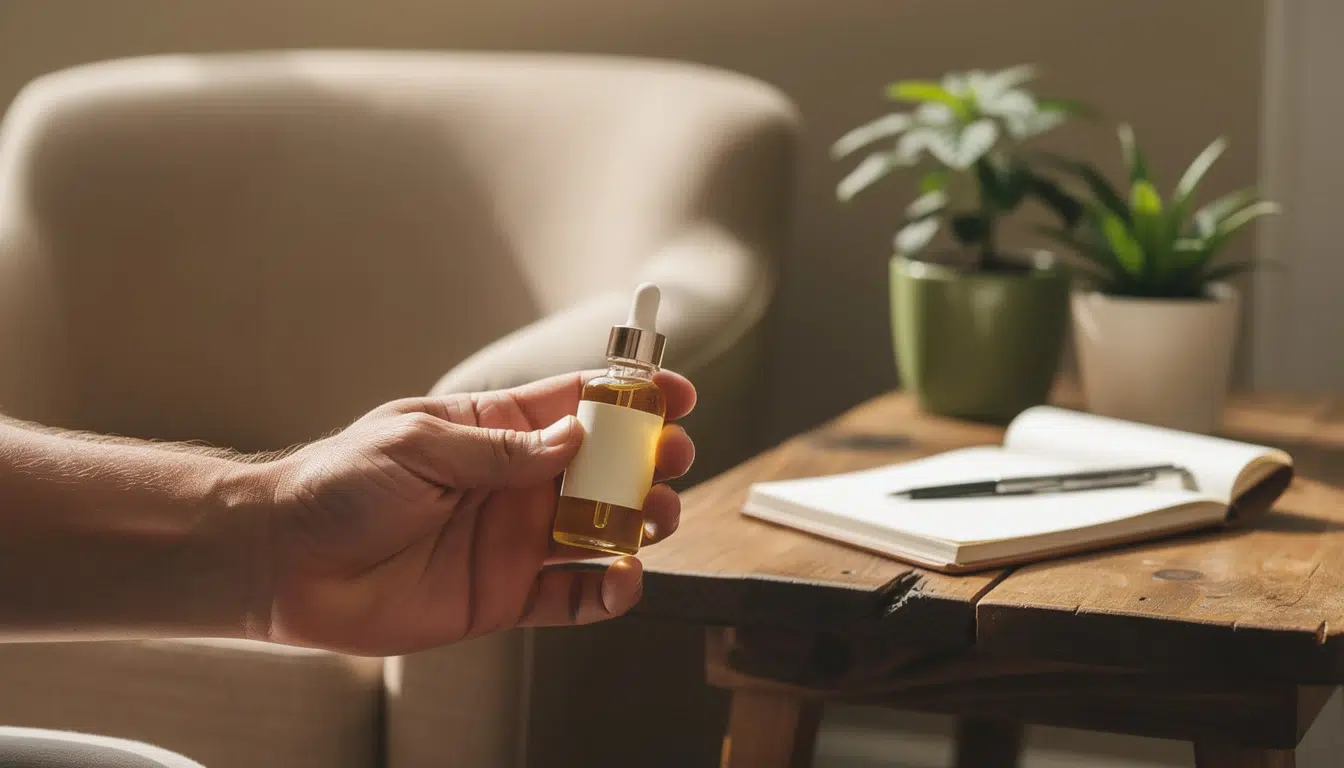

Cannabidiol , better known as CBD , is attracting increasing attention in the management of joint pain . Those seeking natural solutions are wondering about CBD's anti-inflammatory effects and its potential to promote daily joint comfort . From osteoarthritis to occasional discomfort, the use of various forms of CBD ( oil , topical) is growing, but not without questions about safety , CBD dosage , and specific precautions for each individual. This article focuses on the perception, common uses, and usage advice surrounding this promising cannabinoid.
Understanding the perception of CBD in terms of joint comfort
Joint pain affects a wide range of people, from athletes and seniors to individuals who perform repetitive movements. Faced with these challenges, many now see CBD as a potential alternative to conventional treatments.
The image that CBD to the general public is often associated with that of a wellness supplement, capable of providing relief from pain caused in particular by inflammation.The interest lies in its effects, which are both natural and considered relatively harmless, offering a certain peace of mind compared to some traditional medications.
What factors influence the perception of CBD in joint relief?
Several factors influence how users assess the effectiveness of CBD. First, media coverage of scientific studies plays a significant role, even though the results are sometimes contradictory. Second, the experiences of friends and family, or testimonials shared online, also shape this perception of CBD.
The concept of naturalness is appealing because it meets a growing demand for "gentle" solutions. Distrust of chemical products leads some to favor CBD to limit their reliance on more aggressive treatments. It is also worth noting that CBD can provide real benefits for chronic or recurring muscle and joint pain . However, it does not replace personalized medical care, particularly in the case of a chronic condition such asosteoarthritis.
Why so much interest in the anti-inflammatory effects of CBD?
The anti-inflammatory action of CBD is attracting attention because inflammation is at the heart of joint pain. Addressing this process could theoretically reduce associated symptoms and improve mobility for those affected.
Although clinical trials are still in their preliminary stages, several studies suggest that CBD could modulate certain inflammatory responses. Users suffering from osteoarthritis, in particular, may turn to cannabidiol for neck or sciatic pain. This promising avenue encourages many users to incorporate CBD into their pain management strategies, while remaining attentive to future scientific advancements.
How to use CBD for joint comfort?
CBD comes in many forms , allowing users to tailor their use to individual preferences and goals. Sublingual oil , balms, topical creams , or capsules : each requires a different method or frequency of administration.
For joint comfort, the choice between oil and topical products will depend as much on the type of pain as on the user's specific needs. Adapting the application method maximizes the chances of experiencing pain relief tailored to each individual situation.
What are the different forms of CBD suitable for joint pain?
CBD oil stands out for its flexibility of use and the ease of adjusting the dosage . Administered under the tongue, it allows for rapid absorption and a widespread effect. People wishing to target their entire body often opt for this form.
Among the alternatives, topical products such as creams or balms allow for local application. They act directly on the painful area, which can be particularly useful forsensitive joints such as hands, knees, or shoulders. This method facilitates targeted action, which is beneficial in managing the symptoms associated withosteoarthritis.
How to adjust the dosage of CBD and find your way through the usage instructions?
Determining the correct CBD dosage remains a delicate process, as many factors come into play: age, weight, pain, individual sensitivity, and drug interactions. It is recommended to start with small doses and then gradually increase them until a satisfactory effect is observed.
Here are some general guidelines:
- Start with 5 to 10 mg of CBD per day to gauge tolerance.
- Increase by 5 mg every 4-7 days if needed.
- For topical, apply a small amount of cream or balm to the painful area morning and evening.
- Consult a healthcare professional before making any significant changes to your routine, especially if you are undergoing concomitant treatment.
Consistency and patience are essential: CBD often acts in a gradual and subtle way, requiring careful monitoring of its effects on joint pain.
Precautions and safety precautions when using CBD for joints
Choosing to incorporate CBD into a joint comfort regimen requires certain precautions . Despite its reassuring reputation, it is not without potential interactions or adverse effects in sensitive individuals.
Pursuing a goal of pain relief therefore requires paying attention to the quality of the products chosen as well as respecting the dosage recommendations for CBD to guarantee safe use.
What precautions should be taken regarding the safety of CBD?
To reap the purported benefits of CBD, it's essential to use a reliable, tested, and certified product. Incorrectly dosed CBD or CBD containing pesticide residues compromises safety and could lead to unexpected reactions, especially in vulnerable individuals.
Increased vigilance is also necessary for those already taking medication. Some active ingredients can interact, sometimes making the advice of a healthcare professional. Pregnant women, children, or people with serious illnesses should seek personalized usage advice.
What are the recommendations for optimizing joint comfort with CBD?
Maximizing the benefits of CBD requires a holistic approach combining precautions for use, self-awareness, and monitoring progress. Keeping a log of doses, noting the nature of pain and effects experienced, helps to better guide adjustments.
It is useful to combine the use of CBD with other hygiene and dietary measures: appropriate physical activity, a balanced diet rich in omega-3 or weight management also contribute to maintaining joint comfort in the long term.
Frequently asked questions about CBD and joint comfort
Which form of CBD is best suited to relieve joint pain?
CBD oil offers good versatility because it acts on the entire body after sublingual administration. For an immediate local effect, a topical product such as a CBD-based cream or balm allows you to concentrate the action on thetargeted joint.
- CBD oil : systemic effect, adjustable dosage, diffuse action.
- Topical cream/balm : fast local action, ideal for osteoarthritis or mild sprains.
Can CBD be combined with other treatments for osteoarthritis?
Combining CBD and other medications is possible but requires the advice of a healthcare professional. Some drug interactions with CBD have been identified, especially with anti-inflammatory or anticoagulant treatments. Open communication with your doctor is key to safety.
| Common medication | Recommended precaution |
|---|---|
| Anti-inflammatories | Enhanced surveillance |
| Opioid analgesics | Medical opinion required |
| Anticoagulants | Avoid or adjust the dosage |
What side effects can be observed when using CBD?
CBD is generally well tolerated, but minor side effects such as drowsiness, digestive issues, fatigue , or dry mouth may occur. These usually disappear by adjusting the dosage or method of administration.
- Starting with low doses limits the risk ofside effects.
- Taking CBD during or after meals alleviates digestive problems.
How long before I feel relief from joint pain?
The onset of action varies depending on the form of CBD chosen and individual response. Generally, a temporary effect can be felt in less than an hour withtopical application or sublingual administration. For lasting effects, regular use over several days or even weeks is sometimes necessary.
- Sublingual route: 20 to 40 minutes on average.
- Topical: effect perceived within 15 minutes in some profiles.

Co-founder of CBD.fr
Julien Cordobes is the editor of CBD.fr. Born in 1978 in the Paris region, he first trained in e-commerce before turning to natural health approaches, a dual perspective that now structures his way of writing about cannabidiol: reading the scientific literature as it is, without hardening the conclusions, and presenting it in a language that everyone understands.
He discovered CBD at a time when the French market was developing faster than the information available to it. He acquired CBD.fr in 2022 and then took on editorial responsibility for the blog. Since then, he has published numerous articles covering the daily use of CBD, the interpretation of laboratory analyses, the evolution of the legal framework, and precautions for use.


