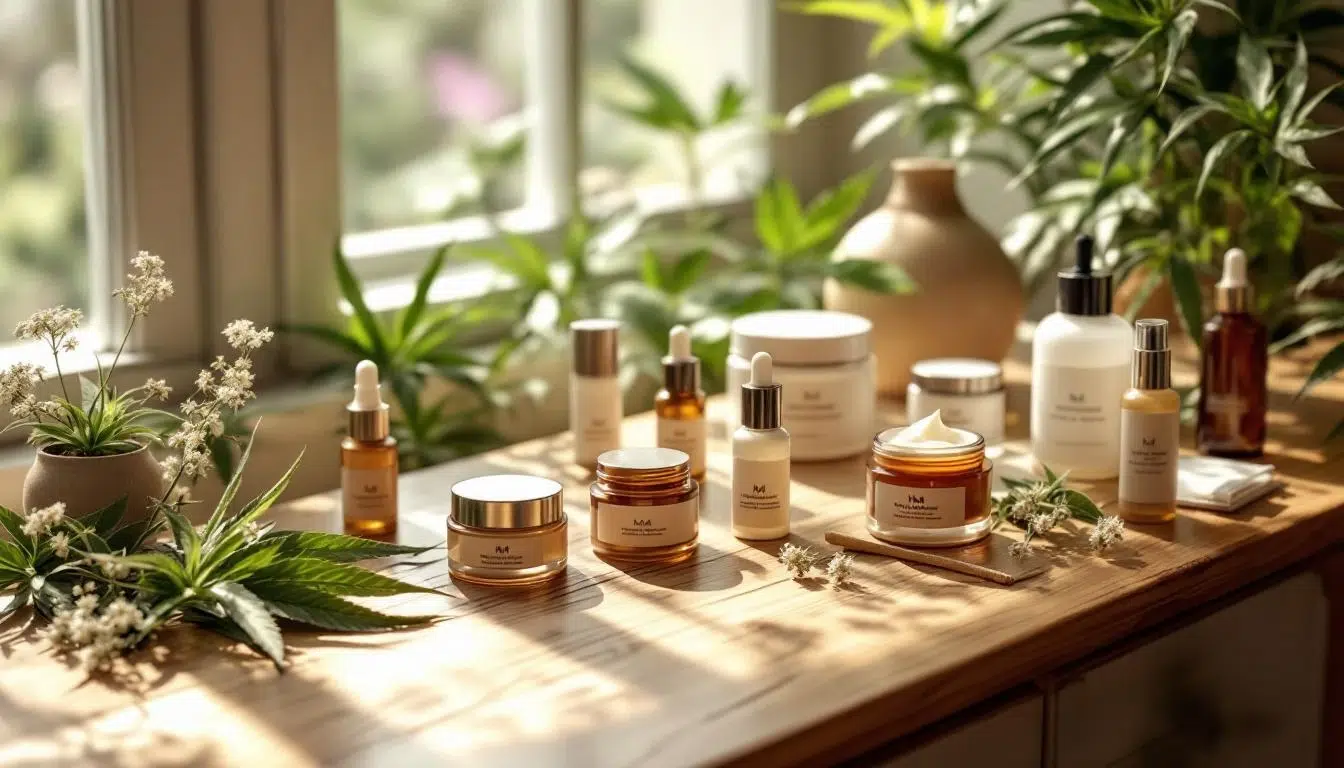

The rise of hemp cosmetics is attracting both wellness enthusiasts and those curious about new beauty trends. However, finding a truly effective hemp oil or CBD-based product can sometimes be a real challenge. Behind the marketing claims often lie vague INCI lists and exaggerated promises. To find reliable products with recognized moisturizing properties without falling into the traps and scams of the industry, it’s essential to decipher every detail of the ingredient list. A comprehensive overview is necessary to distinguish the real benefits of CBD cosmetics and to identify a transparent INCI list that complies with current legislation. Why is the INCI essential for choosing a hemp cosmetic? The INCI, an acronym for “International Nomenclature of Cosmetic Ingredients,” guarantees a regulated and universally accepted description of the ingredients in your cream or serum. This transparency makes it easier to compare different products and warns you against certain undesirable ingredients. Never neglecting to read this list is especially important for distinguishing a simple marketing ploy from a formula truly focused on hemp and its derivatives. When faced with terms like cannabidiol (CBD), cannabis sativa seed oil, or hemp extract, only a solid understanding of the INCI (International Nomenclature of Chemical Ingredients) can prevent unpleasant surprises. Many products are riding the wave of CBD cosmetics but contain only trace amounts or focus more on fragrance than the actual effectiveness of hemp. Learning to decode these compositions is essential for investing in proven skincare products without exposing yourself to controversial or unnecessary ingredients.Deciphering the INCI list: identifying key ingredients and common pitfalls The INCI list always ranks ingredients in descending order of concentration. Prioritize products where Hemp oil or cannabidiol (CBD) appears among the first ingredients, indicating a product generously dosed with natural active ingredients. A product claiming to offer moisturizing properties thanks to CBD will only be effective if CBD isn’t relegated to the very end of the ingredient list. Many products highlight hemp oil in their marketing, even though it only appears after a dozen other secondary ingredients. Also, be wary of formulas with too many synthetic preservatives, silicones, and petrochemical derivatives. Their excessive presence generally reflects a lack of overall quality, compromising the naturalness sought in this type of cosmetic. Among reliable options, the range of high-end CBD-enriched cosmetics stands out for those seeking both effectiveness and transparency. What ingredients should be included in a reliable INCI list? A reliable INCI list prioritizes clearly identifiable plant extracts such as cannabis sativa seed oil (international name for hemp oil) or cannabidiol for isolated CBD. Associated natural ingredients
such as plant butters, essential oils suitable for the face, vegetable glycerin, or aloe vera enhance the product’s appeal. The more transparent the
INCI listis and the more easily recognizable the ingredients are – in English or Latin – the more the product inspires confidence in the discerning user.Including several substances from organic farming adds an extra guarantee of respect for the skin, but also for the environment. This information is rarely found on the front of packaging; its presence in the INCI list should catch the discerning eye at first glance. To better understand the exact effects of CBD on the skin, it may be helpful to consult the analysis dedicated to
the effects of CBD on the skin , where myths and realities are detailed.What ingredients should you avoid when buying hemp cosmetics? If the product promises a natural, cannabis-based treatment,it’s recommended to avoid parabens,phenoxyethanol, PEG/PPG, paraffinum liquidum, harsh sulfates, and artificial colors. Some irritants, sometimes hidden under complicated names, can cause skin reactions or neutralize the beneficial properties of CBD. Also, be sure to avoid formulations artificially enriched withflavorings or denatured alcohol, which dry out the skin and hinder the moisturizing effects of
hemp oil. Excluding these types of ingredients demonstrates the seriousness of a commitment to
truly effective CBD cosmetics. Hemp oil must appear among the first five ingredients Look for organic labels in addition to a prominent place for CBD in theINCI list Avoid silicones
, mineral oils, and unnecessary chemical preservatives Compliance, labels, and legislation: how to ensure your choice is safe? Choosing CBD cosmeticsmeans verifying their compliance with French and European legislation . Regulations strictly govern the use of CBD and prohibit substances classified as narcotics
, even in trace amounts. Only a reputable brand commits to providing complete
traceability from seed to extract used in the formula Recognized quality labels, such as “organic” or “AB,” provide additional security. They certify not only the origin of the natural ingredients used but also guarantee the absence of synthetic pesticides and unauthorized additives. Understanding these certifications provides reassurance regarding the selection of a pure, rigorously controlled product that is gentle on sensitive skin. What aspects should be checked to ensure the compliance and legality of a CBD cosmetic? For each product, checking the actual CBD content as well as the botanical source used remains essential. The legal THC level
must be zero or less than 0.3% according to European regulations. Any vague statement or lack of precise figures should raise red flags regarding non-compliance or an attempt to conceal a flawed formulation. A batch number , the expiration date, the origin of the hemp , and the existence ofanalyses validated by an independent laboratory
are all valuable indicators for choosing reliable
products. If in doubt, requesting thecertificates directly from the supplier is a wise move to distinguish between the plethora of products on the market. Criteria to look forWhy?
CBD listed early in the INCI Yes Guaranteed effectiveness Organic/AB labelYes Ecological quality/reliable sourcing Paraben-free Yes Improved skin tolerance
- Certified THC content <0.3% Yes
- Compliance and legislation Distinguishing genuine recipes from common marketing traps Many scams
- thrive around CBD cosmeticsusing technical jargon to suggest maximum effectiveness, while masking their lack of active ingredients or the majority presence of
cheap ingredients
. Increased vigilance with expensive serums or creams made primarily with water, silicones or little hemp remains essential. Learn to distinguish true user innovation, promoting synergy betweenhemp ,natural ingredients and gentle processes, from misleading slogans highlighting a minimal ingredient simply to capitalize on current trends. Avoiding these pitfalls leads to safer, more sustainable purchases that are better for your health and the environment. Frequently Asked Questions about hemp cosmetics, INCI lists, and safety
How can you distinguish quality hemp oil in a cosmetic product? Extra virgin cold-pressed hemp oil is labeled Cannabis sativa seed oil at the top of the INCI list . Opt for a product positioned among the first five ingredients and check for the presence of an
organic label
or AB (Agriculture Biologique). A reputable product will also disclose the extraction method, favoring non-chemical methods. Cannabis sativa seed oil high on the INCI list Visible organic/AB labels No chemical solvent extraction Which labels or certifications guarantee a reliable CBD cosmetic?
European labels such as “organic” or “AB” ensure theorganic quality of the raw materials. They usefully complement thetests conducted by independent laboratories, guaranteeing the absence of contaminants and legal compliance. True professionalism is reflected in the documentary transparency provided by the brand.Official organic certification (EU label, AB) Accessible third-party analysis results Visible traceability from the product information sheet
| Which ingredients should be absolutely avoided in CBD cosmetics? Among the main problematic ingredients to avoid in a CBD routine are parabens, silicones, PEG/PPG, and phenoxyethanol. Also, watch out for the presence of synthetic flavorings or high levels of alcohol. | Parabens and phenoxyethanol | Silicones and mineral oils (paraffinum liquidum) |
|---|---|---|
| Sulfates and irritating surfactants | Ingredient | Potential risk |
| PEG/PPG | Irritant, pollutant | Artificial dyes |
| Skin reactions | Where can you find a truly transparent INCI list when you’re starting out? Consulting specialized websites dedicated to Clean Beauty, deciphering consumer review forums, or using apps like Yuka provides an initial objective indication. When the manufacturer provides lengthy paragraphs explaining each ingredient, it’s often a good sign of rigorous editorial and scientific research. Informative websites about natural cosmetics | Mobile apps for INCI analysis |
| Explanatory documents provided by the supplier |

Rédacteur en chef spécialisé en CBD
Julien, né le 17 juillet 1978 en région Parisienne, est un éminent rédacteur et expert dans le domaine des produits à base de CBD. Suite à ses études, Julien a développé une passion pour les remèdes naturels, dont le CBD. En 2022, il intègre l’équipe du site CBD.fr en qualité d’expert et de contributeur régulier. Grâce à son expertise scientifique et une écriture claire, Julien aide à démystifier les aspects complexes du CBD, tout en mettant en lumière ses bienfaits et applications potentielles à travers ses articles et participations à des conférences.