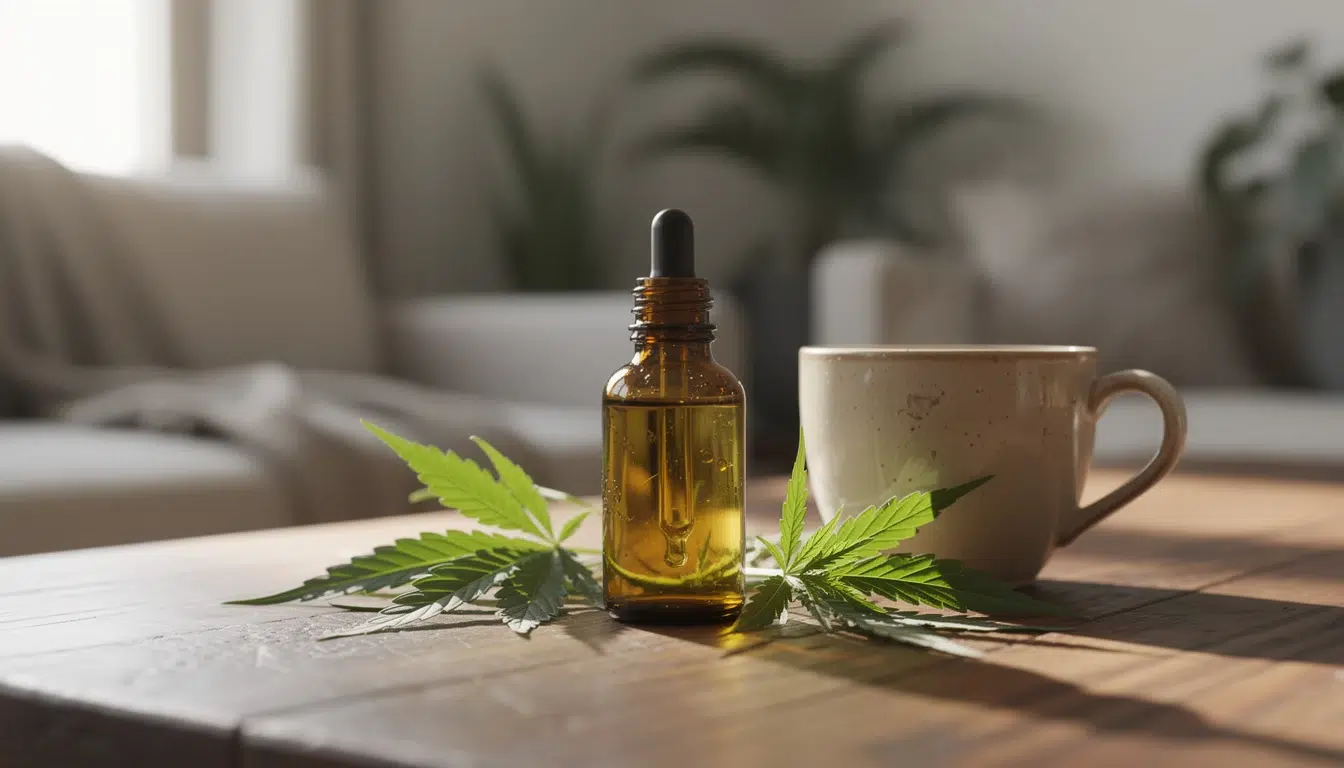

Cannabidiol (CBD), more commonly known as CBD, continues to generateincreasing interest in the scientific community, particularly for anxiety management. As many consumers seek natural solutions for their mental well-being,scientific publications from 2025 shed new light on the therapeutic potential of CBD. Here is an overview of the results highlighted by these recent studiesconcerning the link between
CBD and anxiety,
as well as the practical applications that follow. The biological basis: how does CBD affect anxiety? To understand themechanisms of action of CBD onanxiety disorders, it is necessary to explore the central role of theendocannabinoid system.
This complex network regulates many physiological processes, including mood, stress, and sleep. CBD interacts indirectly with certain brain receptors, particularly CB1 and CB2 receptors, promoting the modulation of neurotransmitters such as serotonin, which is essential for emotional stability. The influence of CBD on GABA (the main inhibitory neurotransmitter) has also been demonstrated in several preclinical experiments. This action could explain its calming effect, observed in many people prone to episodes of transient or chronic anxiety. For those who wish to delve deeper into this subject, it is worth noting that many researchers agree on the anxiolytic properties of CBD. What do recent studies reveal about the anxiolytic potential of CBD? In 2025, new data from randomized clinical trials will provide a more precise view of the anxiolytic potential of cannabidiol. The research focuses on subjects suffering from generalized anxiety disorder, as well as those affected by social anxiety or stress-related sleep disorders. Particular emphasis is placed on the rigorous analysis of side effects, perceived efficacy, and long-term tolerability. For more details on this topic, there is a very comprehensive article dedicated to the effects of CBD on anxiety. All of this research converges on the same trend: anxiety reduction appears significant in many cases, although the individual response varies depending on the patient’s profile and the CBD dosage used. Major clinical results from 2025: Numerous recent studies highlight a significant decrease in anxiety scores after regular CBD administration. In some cohorts, up to 65% of participants report a notable improvement in their mental well-being and a marked reduction in anxiety symptoms after four weeks of follow-up. Sleep disorders associated with anxiety also benefit from the anxiolytic effects of CBD. Several research teams have noted an improvement insleep quality—fewer nighttime awakenings, shorter sleep latency—especially in people with both anxiety disorders and mild to moderate insomnia. Observed side effects and toleranceRegarding
tolerance to CBD
, side effect profiles remain stable: transient headaches, mild drowsiness, and dry mouth are among the most frequent reports, but they remain moderate in most cases. No serious toxicity or major adverse effects have been reported in protocols adhering to current recommendations onCBD dosage . One point stands out, however, fromrecent studies : the risk of addiction or problematic interactions with other medications remains low, which reinforces the position of CBD as an interesting alternativefor mild to moderate anxiety disorders .Optimal Dosage and Personalized Use: What Recommendations Are Emerging? The question of CBD dosage remains crucial. The most recent publications emphasize that effectiveness depends on a dose tailored to individual needs, the severity of symptoms, and sometimes even each person’s circadian rhythm.Here is a concise overview of best practices for dosage: Start with a low daily dose (between 10 and 20 mg), then gradually increase if needed. Observe for potential side effects when increasing the dosage.Consider splitting doses, especially when anxiety fluctuates throughout the day. Seek advice from a healthcare professional, particularly to prevent any drug interactions. According to some studies conducted in 2025, a high dosage (over 100 mg/day) may be more suitable in situations where anxiety is severe or when it causes persistent sleep disturbances. However, the appropriate dosage varies from person to person, hence the importance of tailoring the intake to one’s specific situation. Factors influencing the response to CBD: which profiles benefit the most? The diversity of results reported by recent studies is also explained by the genetic, hormonal, and environmental differences specific to each individual. For example, women sometimes exhibit increased sensitivity to the anxiolytic benefits of cannabidiol, particularly during periods of significant hormonal fluctuations. Factors such as age, the duration of anxiety, or the presence of other conditions also influence the perceived effect. This leads research to propose individualized approaches, combining dosage adjustment, choice of administration method (oil, capsule, infusion), and personalized lifestyle advice.
Profile Reported Benefit Average Dosage Observed Mild to moderate anxiety Anxiety reduction
in less than two weeks
20-50 mg/day Anxiety-related sleep disturbances Improved sleep and reduced nighttime rumination 30-80 mg/day Severe anxiety Stabilization over several months , dosage adjustment recommended 50-150 mg/day
Frequently asked questions about CBD for anxiety Can CBD replace conventional treatments for anxiety disorders? CBDshows anxiolytic effects in numerous
recent studies
, but it should not be considered a direct replacement for prescribedanxiety treatments. It can offer a complementary approach by supporting mental well-being, especially when
anxiety disorders are moderate. A discussion with your doctor is always necessary before considering stopping or adjusting conventional treatment. Consulting a healthcare professional remains essential. Combining different therapeutic strategies often optimizes results. What is the best time of day to take CBD for anxiety? Several studies suggest that splitting doses in the morning and evening maximizes the anxiolytic benefits of cannabidiol for most users. In cases of sleep disturbances due to anxiety, taking it before bed often provides valuable assistance in falling asleep. Morning: Supports managing daily stress. Evening: Promotes relaxation and sleep. How do I determine the right CBD dose for my anxiety?The dosage of CBD varies greatly depending on the individual and the nature of the anxiety disorder. The general rule is to start with a low dose and then gradually adjust it according to the effects felt and personal tolerance. This comparison table helps clarify things:
Targeted symptom
Recommended dosage Adjustment Occasional stress15-25 mg/day Increase if no effect
Chronic anxiety
- 30-70 mg/day Adjust in 10 mg increments Sleep disturbances
- 40-100 mg/day Preferably in the evening Listening to your body’s signals allows you to quickly fine-tune the
- useful dosage If no effect appears after two weeks, consult a professionalAre there any long-term risks associated with using CBD for anxiety?
- According torecent studies published in 2025
, consistent and responsible use of CBDpresents few significant risks . The main precautions concern adjusting the dosage and compatibility with other ongoing treatments. Some mild side effectsmay occur, but they tend to disappear spontaneously when the dose is reduced
Medical monitoring is recommended in case of
heavy drug treatment No concerning data on prolonged tolerance