
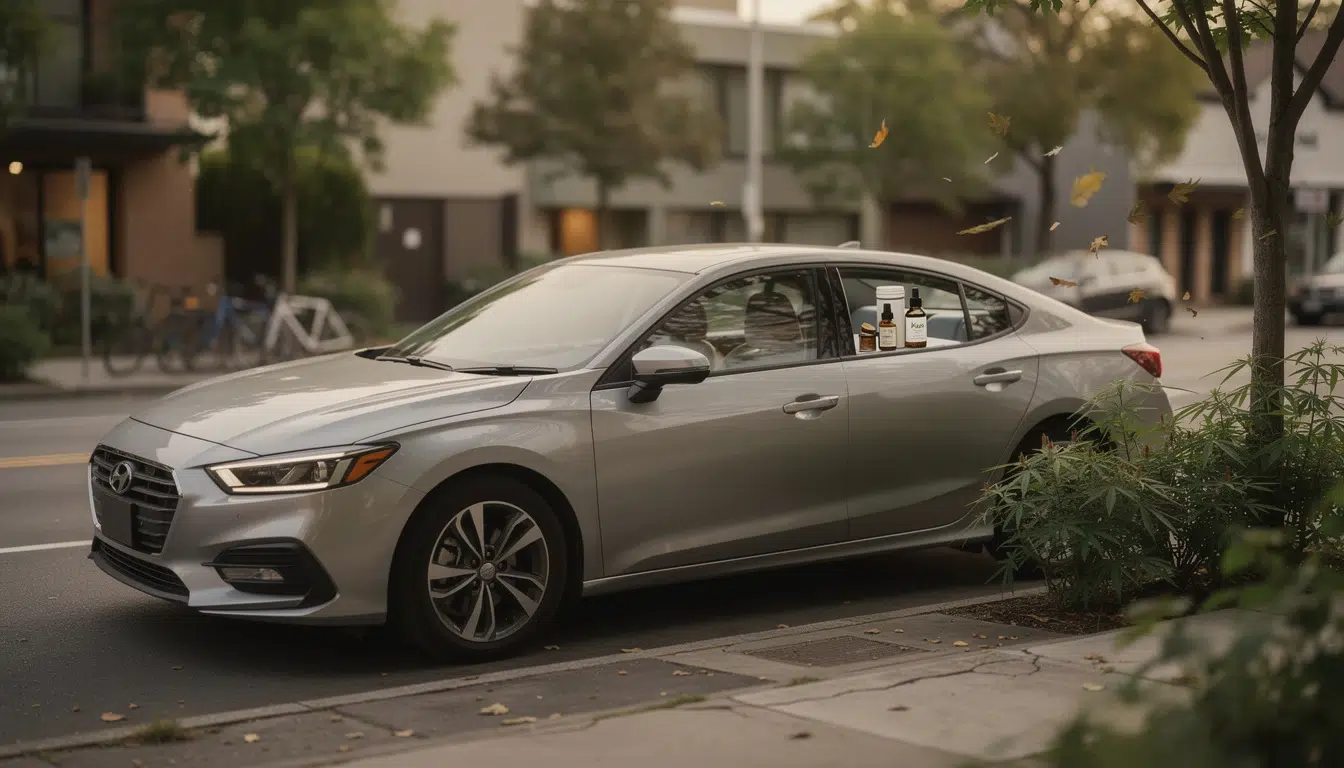

The relationship between CBD and driving raises many questions. In 2026, the evolving legal framework, debates on road safety, and the growing popularity of cannabidiol necessitate a clarification of the real dangers, persistent myths, and responsibilities of drivers. Distinguishing between scientific facts and unfounded beliefs becomes crucial, while changes in regulations and testing techniques disrupt the daily lives of users. CBD and driving: what the regulations say in 2026. At the beginning of 2026, French law maintains strict regulations surrounding CBD and driving. Cannabidiol products authorized for sale must have a THC level equal to or less than the legal THC threshold of 0.3%. This parameter aims to limit any risk of psychotropic effects, but it does not completely exempt drivers from increased vigilance regarding legal risks and potential penalties. The distinction between CBD and THC remains central to current legislation. CBD, which is non-psychoactive, is tolerated under certain conditions, while THC (the active substance in traditional cannabis) remains prohibited for driving. However, the line is not always clear: some products with a low THC content can, in exceptional cases, lead to a positive test during a roadside check – doubt often lingers in the case of rapid saliva drug tests. Law, taxation, and outlook: focus on the 2026 Finance Bill In 2026, regulations and legislation concerning CBD will continue to evolve, notably through the draft finance bill (PLF 2026), which introduces new tax provisions. From now on, thetaxation and taxation of CBD follow a specific logic, taking into account the concentration of THC and the type of product marketed, with the objective of better controlling the market while encouraging transparency from manufacturers. These legal changes affect both retailers and consumers. Ensuring the compliance of products purchased or consumed before driving is becoming essential, as a simple error in dosage or labeling can lead to severe legal consequences, such as suspension or revocation of a driver’s license. To learn more about what French law says regarding CBD and driving, you can consult this comprehensive explanation of the distinction between CBD and THC while driving.
What are the legal risks and penalties? Despite the relative permissiveness towards CBD, drivers still face a strict reality: any trace of THC detected during a roadside check exposes them tolegal risks and penalties comparable to those incurred by users oftraditional cannabis.
The legislation does not differentiate in the event of a positive test, even if the initial intention was the legal consumption of non-psychoactive cannabinoids. Possible consequences include: Immediate suspension of driver’s license Permanent revocation of license according to court decisionFines ranging from several hundred to thousands of euros
Mandatory medical monitoring or awareness course
Authorities apply a zero tolerance policy on the road regarding THC, making a thorough understanding of the differences between substances essential. Drug tests: operation, reliability, and challenges in 2026 Saliva tests remain the primary tool for detecting recent drug use in drivers. Initially designed to detect THC circulating after cannabis consumption,
these devices raise numerous questions when it comes to CBD and driving. Can one be penalized despite consumption complying with regulations? Although theoretically reliable, these tests do not always easily distinguish between accidental exposure to minimal THC (related to a legal CBD product) and the deliberate ingestion of illegal cannabis. A driver who scrupulously respects the legal THC limit can therefore receive a false positive result, generating stress and cumbersome administrative procedures.Comparison of Screening Methods
Several methods exist to identify THC: in addition to saliva tests, more in-depth urine or blood analyses are often used as a second step to rule out a positive result after an initial test. This variety helps to promote fairness, but unequal access and processing times sometimes complicate the defense of the rights of responsible users. Here is a table summarizing the main methods and their specific characteristics:
Method Detection TimeSpecificity Main Use Saliva Test Hours to 24 hours Fast, not very accurate for differentiating THC/CBD Roll-up roadside check Urine Analysis Up to several daysMore sensitive, not very discriminating between CBD and THC In-depth verification Blood Analysis
Up to 48 hours
- Very accurate, conclusive in court
- Judicial confirmation
- Given this evolving technical context,
- caution is essential: every driver who has consumed a
Road safety remains a priority, so it seems wise to favor moderate doses, especially before a long or nighttime journey. Drivers who need to get behind the wheel soon after taking CBD should opt for products guaranteeing zero THC content to definitively eliminate the risk of a positive drug test.
Frequently Asked Questions about CBD and Driving (2026) Can you lose your license after consuming CBD while respecting the legal THC limit? Yes, there is a risk, even if you respect the legal THC limit of 0.3%. If a drug test reveals the presence of THC, you could face a license suspension or revocation, because the legislation is very strict regarding driving under the influence of illegal substances. Immediate administrative suspension possible
Further laboratory testing sometimes required Notification to insurance company and mandatory reportingWhat is the difference between CBD and THC for driving? CBD
is not classified as a narcotic; it does not cause euphoria or cognitive impairment. Conversely, THC
has psychoactive effects that are prohibited for driving. That said, the two molecules can coexist in some products, hence the vigilance required when purchasing and consuming them. Molecule Effects Legal status
CBD
| Non-psychoactive | Legal (under certain conditions) | THC | Psychoactive |
|---|---|---|---|
| Illegal as soon as it is present while driving | What precautions should be taken before driving after taking CBD? | Always favor analytically tested products, whose THC content is guaranteed to be zero or strictly compliant with the legal threshold of 0.3%. It is best to wait several hours after taking the medication, especially if you are new to it or have a particular sensitivity, to assess any potential sedative effects. | Check the manufacturer’s third-party certificates. |
| Wait 4 to 6 hours for added safety. | Avoid driving if you are unusually tired. | How to recognize a CBD product that is legal for driving? | A suitable product will clearly display the marking “THC ≤0.3%” and have an independent certificate of analysis. |
| Avoid products without detailed information on their composition or that do not comply with the new CBD taxation regulations established by the 2026 Finance Bill. | Regulatory marking |
Access to the analysis report Guaranteed traceability and origin


