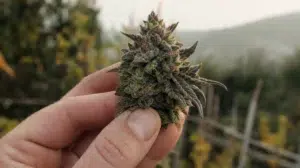
CBD (cannabidiol) is a substance derived from hemp. Known for its relaxing and pain-relieving effects, it is generating increasing interest among consumers and researchers. This raises the question: is CBD good for the liver? This article examines the potential benefits of this molecule, as well as any precautions to take when consuming it.
Therapeutic potential of CBD on the liver
Anti-inflammatory role
Scientific studies have highlighted the anti-inflammatory properties of cannabidiol. This ability could be beneficial to the liver in certain cases, such as viral or autoimmune hepatitis. By reducing the inflammation caused by these conditions, CBD could contribute to the restoration of liver function and the prevention of potentially serious complications.
Action on liver fibrosis
Liver fibrosis is a scarring process that occurs in response to various injuries to the liver. When this fibrosis becomes chronic, it can lead to irreversible destruction of liver cells and ultimately cirrhosis. However, some research suggests that CBD may have an antifibrotic by acting directly on the cells responsible for fibrosis production. This action could potentially slow down, or even halt, the progression to cirrhosis.
Improvement in symptoms of hepatorenal syndrome
CBD has also been studied in the treatment of hepatorenal syndrome, a serious complication that can affect patients with severe liver failure. Some preliminary results have shown that cannabidiol may help improve the clinical symptoms and biological parameters associated with this syndrome.
Influence of CBD on liver enzymes
The liver is an essential organ for the metabolism of medications and other chemicals in the body. Liver enzymes are notably involved in the elimination of CBD. Several studies have revealed that this molecule can interact with some of these enzymes, leading to changes in their activity.
Inducing or inhibitory effect
Research suggests that CBD can act as an inducer or inhibitor of certain liver enzymes. In other words, it can increase or decrease their activity. These interactions can affect drug metabolism and elimination, altering drug concentration in the blood and their effects.
Consequences for drug treatments
CBD consumption can therefore be a concern for people undergoing drug treatments, particularly those metabolized by the liver. In some cases, cannabidiol's interaction with liver enzymes could increase a medication's toxicity or decrease its effectiveness . It is therefore recommended to consult a healthcare professional before consuming CBD while taking any specific medication.
Caution is advised in case of prolonged use and high doses
Despite the therapeutic potential mentioned previously, caution is advised , especially with prolonged use and high doses of CBD. Some studies have shown that high doses of cannabidiol can cause liver damage in animals. However, these results are not necessarily applicable to humans.
Importance of medical follow-up
This nevertheless underscores the importance of medical supervision in cases of long-term use or substantial amounts of CBD. Regular liver function tests allow for monitoring of liver function, particularly by measuring liver enzyme levels in the blood. Based on this information, dosage adjustments may be considered.
Caution is advised for at-risk individuals
Individuals with pre-existing liver disease or a genetic predisposition to liver problems should exercise caution when using CBD. It is advisable to consult a healthcare professional to determine if using this substance is appropriate and safe for their specific situation.
Summary: CBD and the liver, what's the verdict?
In summary, while studies suggest that CBD may offer some benefits for the liver, there are also concerns about its influence on liver enzymes and the potential negative effects of prolonged use or high doses. Caution is therefore advised, and it is essential to inform and consult healthcare professionals before consuming cannabidiol, especially for individuals at risk or those taking medication. Further research is needed to better understand CBD's mechanisms of action and definitively determine its impact on liver health.

Co-founder of CBD.fr
Julien Cordobes is the editor of CBD.fr. Born in 1978 in the Paris region, he first trained in e-commerce before turning to natural health approaches, a dual perspective that now structures his way of writing about cannabidiol: reading the scientific literature as it is, without hardening the conclusions, and presenting it in a language that everyone understands.
He discovered CBD at a time when the French market was developing faster than the information available to it. He acquired CBD.fr in 2022 and then took on editorial responsibility for the blog. Since then, he has published numerous articles covering the daily use of CBD, the interpretation of laboratory analyses, the evolution of the legal framework, and precautions for use.