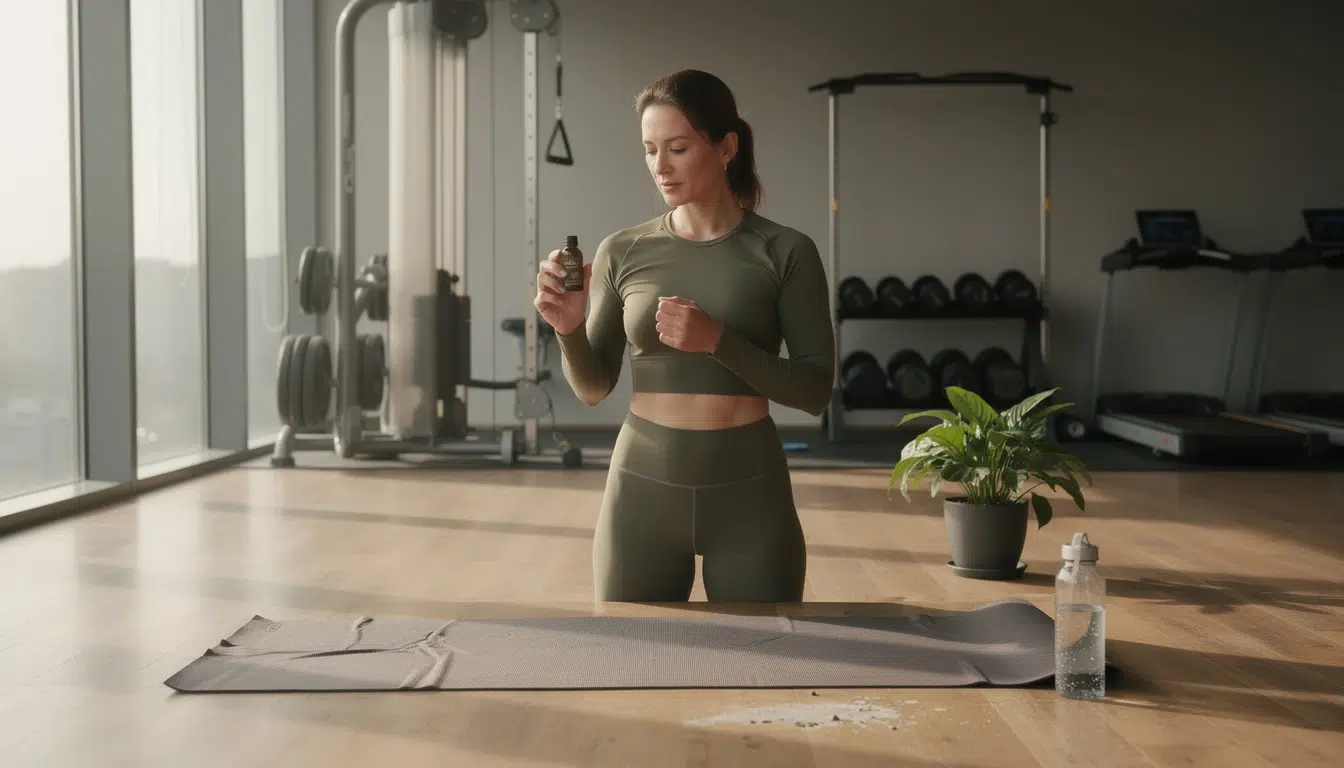

The association between CBD and sports has steadily gained popularity in recent years. Athletes, both amateur and professional, are exploring the potential of cannabidiol to improve muscle recovery, athletic performance, and pain management. In 2026, many athletes are still wondering about the best timing for taking it: should CBD be consumed before or after training, and for what purposes? Let’s explore the mechanisms of action of CBD in physical activity, current methods of use, and ways to optimize its use. What are the benefits of CBD in a sports routine? CBD, or cannabidiol, is a non-psychoactive compound extracted from hemp, known for its anti-inflammatory and relaxing properties. While the debate remains open regarding all its mechanisms, several key factors justify its integration into modern sports practices. Incorporating CBD into a regular sports routine offers distinct benefits depending on the sport and the athlete’s profile. Whether it’s for better stress management, reduced inflammation, or faster recovery, there are plenty of arguments in favor of this plant-based molecule. When should you use CBD in relation to training? The question of timing often comes up in discussions about CBD and sports. Consuming CBD before exercise targets immediate needs such as concentration and reduced performance anxiety. Taking CBD after exercise, on the other hand, promotes muscle recovery and post-exercise pain management. Numerous studies suggest that CBD acts as a muscle relaxant, notably reducing spasms, which explains why its use is of such interest to athletes at all levels. Depending on the schedule, the type of training (endurance, strength, team sports), and the objectives (recovery or performance), each approach can reveal specific benefits. To better understand, it’s helpful to examine the expected effects at different times of the training day. What are the advantages of CBD before training? Using CBD before training can prepare the body and mind for athletic performance. Many athletes report improved concentration, reduced anxiety, and greater ease in executing technical movements thanks to better stress management. The benefits of CBD are also recognized by some professional athletes, particularly for pain modulation and improved recovery observed during their training. Pre-workout CBD administration would be especially relevant for those who sometimes experience spikes in nervousness or digestive issues induced by the pressure of competition. Among the expected benefits is a relaxing effect, allowing you to approach exercise more calmly, without feeling mentally heavi. Why target muscle recovery after a workout? The post-workout phase is a key moment where muscle recovery becomes a priority. Using CBD after exercise promotes cellular repair and reduces the intensity of pain related to micro-trauma caused by intensive training. Athletes also praise CBD for reducing localized inflammation and improving sleep, two crucial factors for progressing without accumulating chronic fatigue. This approach aims for medium-term benefits: less muscle soreness, more restful nights, and the ability to train regularly.What CBD dosage should you choose to maximize the desired effects? CBD dosage varies widely depending on age, weight, individual tolerance, sensitivity to cannabinoids, and the intensity of the physical activity. No universal dosage is officially recommended in 2026, but some trends and recommendations are emerging.
It’s best to start with a low amount of CBD, then gradually adjust until you feel the desired effects without discomfort. Most athletes prefer easy-to-dose forms such as sublingual oils, capsules, or, occasionally, topical creams for specific pains.
Light dose: 5 to 15 mg, to relieve stress or improve concentration before a light workout. Moderate dose: 20 to 40 mg, geared towards muscle recovery after intense exercise or to alleviate post-exercise discomfort. High dose: above 50 mg in cases of significant pain or a strong need for deep relaxation, especially after a demanding competition.Adjusting the dosage remains the best way to avoid any tolerance or adverse effects, while fully benefiting from the synergies of CBD with muscle recovery and pain management. Inflammation reduction and optimization of athletic performance: The role of CBD in reducing inflammation is central to the treatment protocols used by athletes. Thanks to its documented anti-inflammatory properties, CBD acts as a natural support against mechanical stress and repeated impacts. In addition to its role in tissue repair, cannabidiol could indirectly optimize athletic performance. By limiting muscle fatigue and shortening healing times, it helps maintain a high training frequency while minimizing the risk of injury.
Improved Sleep and its Impact on Recovery Restorative sleep is one of the cornerstones of effective training protocols. Many athletes have noted improved sleep with the integration of CBD into their nighttime routine, resulting in muscles better prepared for renewed exertion the following day. Studies show that CBD promotes sleep onset and reduces nighttime awakenings. This more stable rhythm not only promotes physical recovery but also improves mood and increases motivation during subsequent training sessions. Pain Management and Joint Comfort for AthletesPain management remains a major challenge for athletes, both for facilitating a rapid return to activity and for preserving the longevity of their careers. The targeted application of CBD creams or balms can reduce the perception of pain in overused joints. This local action complements the systemic effects obtained orally, thus constituting a versatile solution, suitable for occasional needs as well as regular use after an intense session . Frequently Asked Questions about CBD and Sports TrainingIs CBD allowed in all sports competitions in 2026?
Since 2026, the vast majority of international sports federations have tolerated
CBD provided that there is no detectable THC in the products used. Some organizations may, however, require proof of origin and the exact composition of the product. Remember to check theregulations specific to your sport before use. Opt for formulas labeled zero-THC to avoid any risk of a positive test. Sector CBD Tolerance (2026) Individual Sports Yes, with THC testingTeam Sports
Varies according to national standards What types of CBD products are suitable for pre- or post-workout use? Several formats are available to meet various needs:
sublingual oils,capsules, enriched drinks, ortopical ointments. The choice depends on the desired effects and the timing of use.
Before training: fast-acting oil or gummies to combat stress. After training:capsules or cream focused on muscle recovery. Does CBD cause bothersome side effects for athletes?CBD is generally well-tolerated at low doses and does not cause addiction. Some mild reactions may occur, mainly:
a sensation of dry mouth, slight drowsiness in some sensitive individuals, andminor digestive issues. Adjusting the dosage or the form used usually eliminates these discomforts. What precautions should be taken when incorporating CBD into a sports routine?
Focus on quality: choose products that are tested, traceable, and compliant with local regulations. Follow the recommended CBD dosages, adjust the dosage over several weeks, and report any potential drug interactions to your doctor or pharmacist. Gradual dose increase. Pay attention to the THC level. Choose transparent suppliers.