
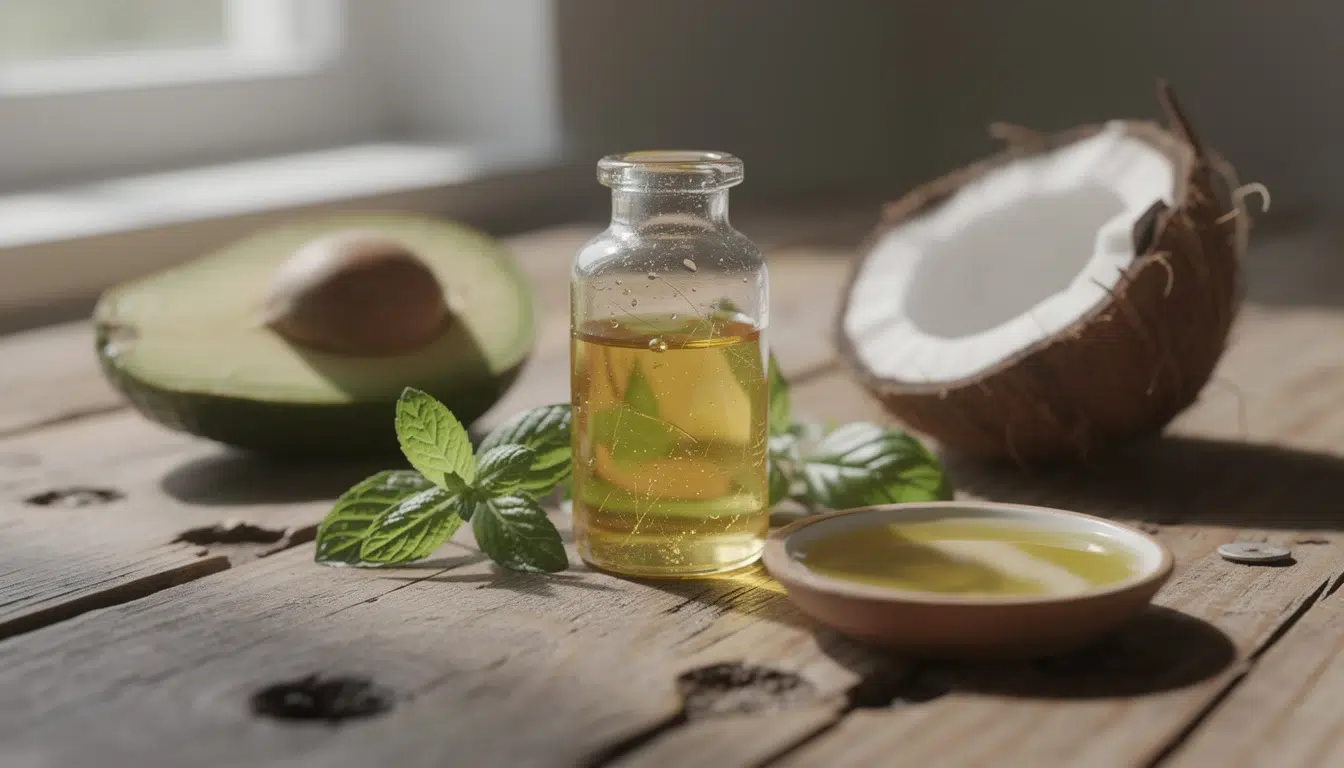

As wellness enthusiasts explore new ways to use CBD, the question of CBD's fat solubility is gaining importance. Behind this somewhat technical term lie concrete effects on the efficacy and bioavailability of cannabidiol in the body. Combining CBD with fats isn't just a matter of molecular alchemy; it's also a smart way to maximize its benefits for weight management or appetite regulation. Why does this combination make all the difference? Here's a comprehensive and accessible overview to navigate the intersection of science, nutrition, and wellness trends.
What is fat-soluble CBD?
Most cannabinoids belong to the family of fat-soluble. This characteristic means they dissolve better in fats than in water, and this is particularly true for CBD. To be effectively absorbed by the body, CBD must overcome several biological barriers, many of which favor the passage of substances dissolved in fats.
Exploiting CBD's fat solubility involves incorporating it into an oily or fatty base. This allows cannabidiol to bypass certain digestive hurdles and penetrate the bloodstream more easily. oils CBD-infused and enriched food preparations have thus become popular choices, particularly among people looking to optimize their fat metabolism or enhance their daily wellness routines.
Why does combining CBD and fats multiply the effects?
Mixing CBD with fats , in other words, using fat-soluble formulations , directly impacts how the body uses this cannabinoid . Biochemistry and nutrition come together here to make each dose more effective.
This combination promotes several physiological processes that benefit relaxation , weight management , and appetite regulation . At the heart of this synergy are digestive absorption and the key role of the endocannabinoid system . To better understand this, it is helpful to revisit two major points.
Digestive absorption and entourage effect
The digestive tract breaks down food into absorbable nutrients. When an active ingredient like CBD is bound to a fat, its passage through the intestinal lining is facilitated. CBD benefits from the natural flow of lipids through the specialized channels of the digestive system, preventing premature degradation by gastric acids.
This optimized transport also enhances theentourage effect, a process where different cannabinoids and terpenes work together to intensify their respective actions. A fatty base attracts and binds these substances, stimulating their interaction with receptors in the brain and body. Furthermore, some research suggests that CBD extracted from hemp may play a role in reducing dietary fat content, thus reinforcing the benefits of this synergy.
Improved bioavailability
Bioavailability refers to the fraction of a substance that is actually usable by the body after administration. However, without being combined with fats , a large portion of ingested CBD can be eliminated or metabolized before becoming effective. Thanks to its fat solubility , CBD , when mixed with suitable fats, significantly increases its bioavailability.
In practice, this means that you get more effect with less, thus limiting the waste of expensive active ingredients. This effectiveness benefits both those seeking support for fat burning and weight loss and those prioritizing mental comfort or a infusion relaxing CBD.
Links between fat metabolism and fat-soluble CBD
The impact of CBD on fat metabolism is generating increasing interest, both among athletes and those looking to manage their weight. Far from being a miracle cure, this cannabinoid could support weight management by influencing the distribution of energy resources.
Preliminary studies suggest that CBD interacts with the pathways responsible for lipid storage and transformation. By stimulating certain receptors in the endocannabinoid system, it could help modulate the balance between the production and use of fat reserves, thus playing an indirect role in burning fat.
- Potential support for weight loss by facilitating the breakdown of stored fat
- Supporting appetite regulation via the endocannabinoid system
- Increased benefits if CBD is consumed in fat-soluble form, combined with natural oils (coconut, MCT, olive, etc.)
- Promotes a gentler, more sustained overall effect, rather than brief spikes.
Science is still progressing on these subjects, but user feedback and common dietary sense converge towards one certainty: choosing a fat-soluble CBD significantly improves the integration of cannabidiol into a routine dedicated to weight management and daily well-being.
Practical applications: how to integrate fat-soluble CBD into daily life?
ways to consume CBD with fats . Each user can adapt it to their culinary preferences or specific needs. Taking the time to select the right fat base is crucial to fully benefit from the expected effects.
Among the most popular options are CBD-infused sublingual oils , capsules dosed with oil-based ingredients , and homemade CBD infusions made from whole milk, clarified butter, or rich plant-based drinks. This range of formats is suitable for both relaxation and weight loss goals .
| Form of consumption | Example of fat | Recommended time |
|---|---|---|
| Sublingual oil | MCT oil or olive oil | Morning or evening, outside of rich meals |
| Capsules | Medium chain triglycerides (MCTs) | With a glass of water, during a meal |
| CBD infusion | Whole milk, thickened plant-based drink | After dinner, a moment of relaxation |
Combining CBD and fatsalso opens the door to precise personalization, based on individual feelings and needs. This influences everything from post-exercise recoveryand daily appetite management to simply seeking serenity in an active lifestyle.
Frequently asked questions about fat-soluble CBD and fats
Fat-soluble CBD: is there an ideal carrier oil?
The choice of oil depends on your expectations and digestive tolerance. MCT oils derived from coconut accelerateCBD absorption and are ideal for those who want to experience the effects quickly.Olive oil , on the other hand, offers a mild base, appreciated both in cooking and for sublingual applications.
- MCT coconut oil stimulates bioavailability
- Olive oil facilitates prolonged diffusion
- Prioritize organic quality and controlled origin
| Oil type | Main benefit |
|---|---|
| MCT Oil | Speed of action |
| Olive oil | Neutral taste and long-lasting effect |
Does the combination of CBD and fats actually promote weight loss?
CBD , combined with a healthy diet and regular physical activity, can support weight loss thanks to its potential effect on modulating appetite and fat metabolism . It does not act as a direct "fat burner," but it supports certain natural processes that are helpful in maintaining a healthy weight .
- Possible aid in appetite regulation
- Contribution to the overall energy balance
- Optimizing effects when taken with a fat-soluble supplement
Is there a difference depending on the type of fat associated with CBD?
Yes, certain fats promote greater fat solubility in CBD. Light oils, such as coconut oil, offer rapid absorption, while thicker fats like clarified butter provide a gentler, longer-lasting effect. The variety of vegetable fats allows you to personalize the experience according to your health goals.
| Fat support | Desired effect |
|---|---|
| MCT Oil | Rapid absorption |
| Thick vegetable oil | Increased duration of action |
| Whole milk | Digestive comfort |
How to maximize the synergy between CBD, other cannabinoids and fats?
For optimal entourage effect, combine fat-soluble CBD with broad-spectrum formulations incorporating various cannabinoids and terpenes. Consume it with a meal containing healthy fats to facilitate their absorption. This synergy enhances the relaxing benefits, harmonizing physical and mental well-being.
- Opt for full-spectrum extracts combined with virgin oils
- Include a portion of healthy fats with each serving
- Experimenting with different combinations to target one's feelings

Editor-in-Chief specializing in CBD
Julien, born on July 17, 1978, in the Paris region, is a prominent writer and expert in the field of CBD products. Following his studies, Julien developed a passion for natural remedies, including CBD. In 2022, he joined the CBD.fr team as an expert and regular contributor. Thanks to his scientific expertise and clear writing style, Julien helps demystify the complexities of CBD, while highlighting its benefits and potential applications through his articles and conference presentations.


