
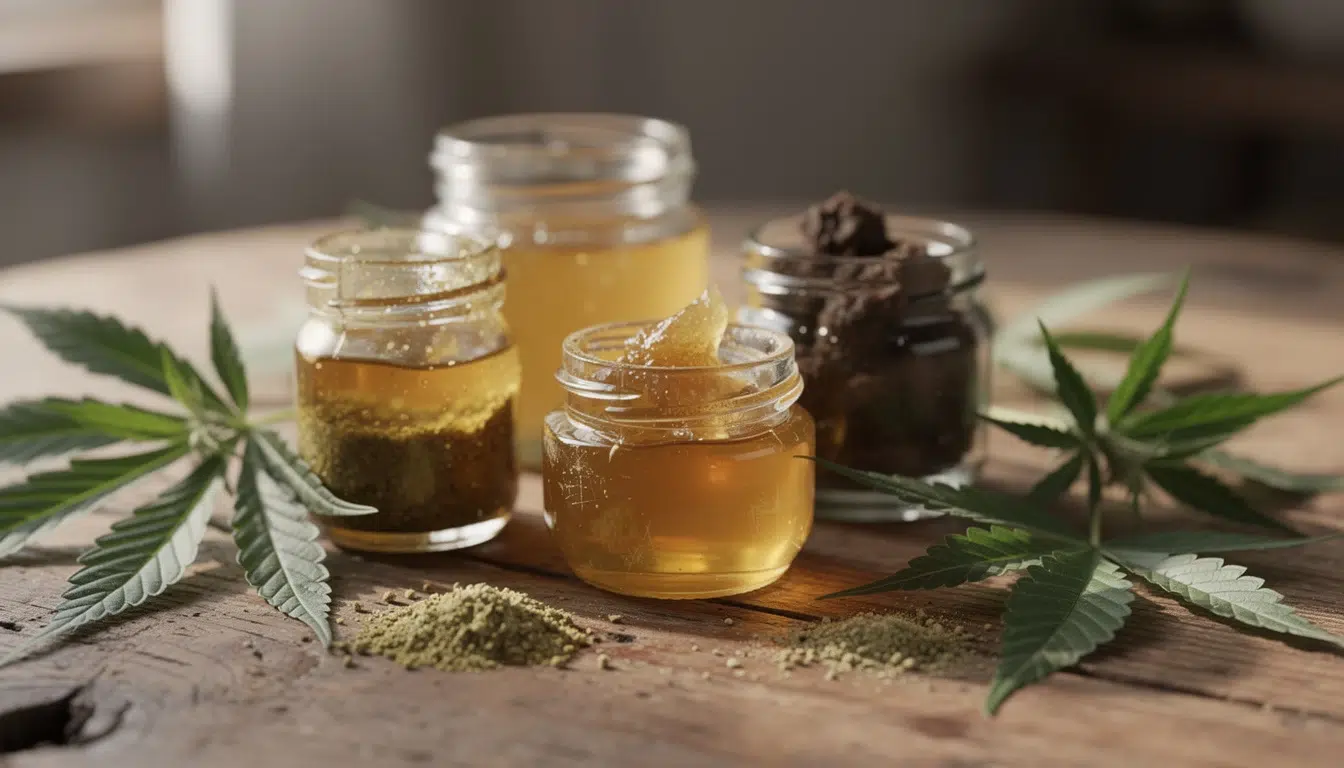

For millennia, hemp resins have shaped the culture and heritage of numerous civilizations. Today, CBD, the non-psychoactive sibling of THC, adds a new dimension to these artisanal skills. Whether we're talking about hash, pollen , or modern CBD resins, each preparation is part of a story as old as the history of cannabis itself. To understand why these concentrated extracts continue to fascinate, we must delve into their history, discover their origins, and explore the rituals surrounding them.
From the origins to the contemporary history of cannabis resins
Thehistory of cannabis is intertwined with that of the greatest civilizations. Used for its textile, medicinal, and psychoactive properties, the plant has given rise to countless products, including the famous cannabis resin. CBD, now enriching many hashish blends, allows users to enjoy the characteristics of cannabis without experiencing a psychoactive effect, which is particularly appealing to those seeking natural relaxation.
The earliest traces of hashish date back to Central Asia, particularly India, Pakistan, and Afghanistan. Manual extraction techniques then spread to North Africa, where Moroccan tradition perfected the sifting of hemp flowers to obtain the renowned pollen. Over time, these methods reached Europe, where the current enthusiasm for CBD resins continues to grow. Learn more about the cannabidiol molecule derived from hemp.
Why does Moroccan tradition remain a reference point?
Morocco has established itself as a key hub in hashish production . This Moroccan tradition is based on artisanal know-how passed down through generations. Here, harvesting is done primarily by hand, while processing involves the delicate beating of dried hemp flowers . This meticulous work results in a golden, aromatic pollen which, after pressing, is molded into a block of compact resin .
The Rif region, particularly known for its plantations, sees entire families perpetuate these traditions every summer. The global renown of Moroccan hashish has not diminished in the legal CBD; quite the contrary: it inspires European producers eager to recapture this authenticity in their own cannabis resins.
Diversity of methods: from traditional sieving to CBD innovations
Over the centuries, resin-making techniques have evolved, but many retain their original spirit. In Asia, the charas involves gently rubbing the living plants between the palms to extract the precious resin. Elsewhere, cold sieving, prevalent in Morocco, yields pure and flavorful pollen. In all cases, it is the artisan's skill that gives the products their unique aromas and textures.
Today, the rise of CBD is prompting Western producers to adapt these processes to work exclusively with hemp flowers rich in cannabidiol. Modern hydraulic presses now operate alongside fine mesh screens: the process respects tradition while guaranteeing the absence of psychoactive substances.
What lies behind the texture and aroma of CBD resins
Beyond their chemical composition, cannabis resins reveal different characteristics depending on the hemp variety used , as well as the terroir and the production method. Connoisseurs appreciate the contrast between the soft , often oilier hash and the dry, crumbly pollen typical of the Mediterranean basin.
However, the olfactory profile of a CBD resin also depends on the amount of terpenes retained during the harvesting and pressing process. Some profiles rich in floral, earthy, or citrus notes are reminiscent of fresh hemp flowers, while others evoke a more complex, spicy range, the result of patient curing.
List of the main types of CBD resins
- Classic Moroccan hash : made from sifted pollen, malleable texture, woody and spicy aromas
- Cold-pressed pollen : light color, dry consistency, mild taste reminiscent of hemp flowers
- "Bubble hash" resin : extracted with ice water, very pure and fragrant
- Indian charas : brown paste obtained by hand rubbing, deep and resinous flavors
Depending on the consumer's choice, each type of CBD resin offers a different experience, tailored to the search for relaxation, lightness, or aromatic subtlety.
Comparative table of traditional and modern manufacturing methods
| Method | Country/region of origin | Features |
|---|---|---|
| Dry sieving | Morocco, Lebanon | Golden pollen, dry texture |
| Hand rubbing (charas) | India, Nepal | Dense paste, strong flavor |
| Water extraction (bubble hash) | Whole world | High purity, high terpene profile |
| Modern mechanical pressing | Europe | Maximum CBD content, strict quality control |
Ancient tradition, modernity and wellness practices: what are the prospects?
Once reserved for spiritual or festive uses, cannabis resin is continuing its journey towards new horizons thanks to the rise of CBD. Many consumers see this format as a respectful way to reconnect with ancestral tradition, while also benefiting from the soothing properties of cannabidiol.
Current trends reflect a desire to combine cultural heritage with responsible innovation. This is evidenced by a resurgence of artisanal know-how, whether in packaging, the use of heritage strains, or the reliance on traditional manufacturing processes. Faced with growing demand, specialized companies are focusing on transparency and traceability to guarantee the quality of their CBD-rich cannabis resin.
What are the advantages of CBD resin compared to traditional flowers?
The resin concentrates more cannabinoids and terpenes, resulting in a more pronounced effect and a faithful reproduction of the original aromatic profile. Some users prefer this form for its ease of storage and versatility: infusion, vaporization, or adding to culinary preparations are among its common uses.
The absence of psychoactive substances also reassures those who wish to enjoy a relaxing experience without altering their consciousness, unlike the sometimes unpredictable effects of THC-rich recreational cannabis. This facilitates the integration of CBD into wellness routines for stress management or physical recovery.
How can we preserve the artisanal and natural character of CBD resins today?
Respecting the natural growth cycles of hemp, hand-harvesting , and meticulous selection of the buds are essential pillars for preserving the quality of the finished product. These are complemented by regular laboratory tests to ensure the absence of contaminants and compliance with legal THC levels.
This approach guarantees the authenticity of a cannabis resin rooted in thehistory of cannabis, while meeting contemporary demands. Each new generation of artisans strives to preserve the spirit of traditional hashish while innovating to adapt their creations to the CBD and its discerning consumers.
Frequently asked questions about CBD resins and hash
What is the difference between CBD pollen, hash, and resin?
Pollen refers to the powder obtained by sifting hemp flowers , while hash is the compressed resin obtained from pollen or directly from the whole plant. CBD resin , on the other hand , uses these same processes while ensuring that only plants rich in cannabidiol and low in THC are used.
- Pollen : light powder, light to golden in color
- Hash : malleable or firm paste, intense aroma
- CBD resin : a legal, non-psychoactive alternative
| Product | Shape | Composition |
|---|---|---|
| Pollen | Powder | Sifted trichomes |
| Hash | King block or ball | Compressed resin |
| CBD Resin | Paste or block | Cannabinoids, primarily CBD |
Is it possible to make CBD cannabis resin at home using traditional methods?
There are accessible , artisanal methods such as dry sifting , pollen pressing , and bubble hash making . For optimal results, it is advisable to choose ripe hemp flowers , thoroughly dried and then carefully sifted. Moderate pressing with a gentle heat source completes the process.
- Fine sieve suitable
- Manual press or heated bottle
- Store in an airtight container
What precautions should be taken when buying CBD resin?
Before choosing a resin, it's important to check the hemp, the absence of chemical solvents, and compliance with legal standards regarding THC levels. Opting for batches that have been laboratory-tested ensures safe consumption that complies with regulations.
- Impeccable traceability
- Independent analysis published
- Transparent manufacturing process
What are the best uses for CBD resin?
CBD resin can be infused, vaporized in suitable devices, or incorporated into culinary recipes. Each of these uses allows you to benefit from the full spectrum of aromas and cannabinoids present in hemp .
- Infusion in a fat (milk, oil, etc.)
- Vaporizing at low temperature to fully appreciate the terpenes
- Creation of edible butters or oils

Editor-in-Chief specializing in CBD
Julien, born on July 17, 1978, in the Paris region, is a prominent writer and expert in the field of CBD products. Following his studies, Julien developed a passion for natural remedies, including CBD. In 2022, he joined the CBD.fr team as an expert and regular contributor. Thanks to his scientific expertise and clear writing style, Julien helps demystify the complexities of CBD, while highlighting its benefits and potential applications through his articles and conference presentations.


