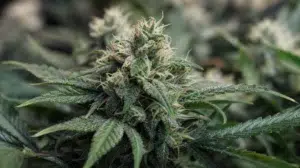
Legislation surrounding CBD (cannabidiol) in Argentina has undergone significant transformations in recent years, reflecting a broader shift in attitudes toward cannabis-derived products. These regulatory changes have opened new avenues for patients seeking alternative treatments, as well as for businesses in the health and wellness sector.
Recent history of CBD legislation in Argentina
Argentina reached a major turning point in 2017 when the government legalized the medical use of cannabis, indirectly including CBD products. This step was marked by the adoption of a law allowing research and medical use of cannabis, which initially focused on therapeutic home cultivation and the controlled distribution ofoils . Primarily geared towards specific conditions such as refractory epilepsy, this policy gradually opened the door to more widespread use, under the supervision of the Argentine National Chamber of Deputies.
Current regulations: deciphering the legal framework
Starting in 2020, several decrees were implemented to clarify the conditions for the distribution and cultivation of medical cannabis. The decree governing possession, cultivation, and production emphasizes that patients requiring CBD must have a medical prescription. The regulations also stipulate that licenses to cultivate cannabis can be granted to companies, hospitals, or NGOs that have demonstrated their ability to operate according to established standards, including the necessary security measures to prevent diversion to the black market.
Licensing and business expansion: opportunities and challenges
The granting of licenses for the cultivation and production of cannabis is a major step forward in Argentina, potentially opening the market to both local and foreign companies specializing in the production of CBD-based medicines. However, these companies must navigate a complex risk management environment, particularly regarding compliance with strict anti-drug trafficking regulations. Rigorous oversight by the authorities is essential to maintaining the integrity of the sector.
- Domestic market : specific regional constraints and adaptation to local therapeutic demands.
- Export : compliance with international laws and bilateral agreements with potential to reach the European market, limited however by European Union legislation concerning products containing THC.
Social and economic impact of the new legislation
Expanding access to CBD through clearer regulations is generating increasing public enthusiasm. This not only improves the quality of life for patients using CBD treatments but also stimulates the local economy. Economic benefits include job creation in cannabis cultivation and sales, as well as in scientific research related to the therapeutic effects of cannabidiol.
Security and prevention: managing the risks of hijacking
Despite the benefits, legislation must address issues of diversion and misuse. Strict measures are in place to prevent the diversion of plantations into illicit channels:
- Strict controls : regular verification of cultivation and production sites.
- International cooperation to address gaps in cross-border control, particularly with customs and police.
CBD prescriptions are always accompanied by medical monitoring to minimize the risk of dependence or unexpected side effects. Multidisciplinary collaboration between physicians, authorities, and regulatory bodies remains essential.
Future prospects and continuous development
The CBD industry in Argentina is still in its early stages, but already shows great potential thanks to ongoing research into its medical applications. Discussions within the Chamber of Deputies and other government bodies regarding the refinement of existing laws suggest a dynamic evolution of this legislative framework. Adjustments are being considered to facilitate access while maintaining a high level of oversight and control, in order to meet patient needs while preventing misuse.
Comparative analysis: Argentina versus other nations
Compared to other Latin American countries like Chile, Colombia, or Peru, Argentina is taking a fairly progressive approach to managing medical cannabis and CBD. Each country has varying standards, making direct comparisons complex, but it's clear that Argentina is aiming to become a leader in this field in South America. Promoting safe and regulated practices fuels this goal, hoping not only to help Argentine citizens in need of alternative care but also to position the country as a benchmark in the rapidly growing sector.

Co-founder of CBD.fr
Julien Cordobes is the editor of CBD.fr. Born in 1978 in the Paris region, he first trained in e-commerce before turning to natural health approaches, a dual perspective that now structures his way of writing about cannabidiol: reading the scientific literature as it is, without hardening the conclusions, and presenting it in a language that everyone understands.
He discovered CBD at a time when the French market was developing faster than the information available to it. He acquired CBD.fr in 2022 and then took on editorial responsibility for the blog. Since then, he has published numerous articles covering the daily use of CBD, the interpretation of laboratory analyses, the evolution of the legal framework, and precautions for use.