

Faced with the diversity of methods for cultivating legal cannabis,a central question animates the community of enthusiasts and professionals: indoor,greenhouse, or outdoor, which ensures the optimal quality of the CBD flower?While each method claims its advantages, it is laboratory analysisthat brings everyone into agreement. Exploring these models from a scientific perspective reveals how yield, terpene composition, andcannabinoid profiles depend on the chosen cultivation method. Far from preconceived notions, the laboratory offers instant transparency on the true value of each product. Understanding the distinction between indoor, greenhouse, and outdoor Behind the terms indoor,
greenhouse,
and outdoor,lies a technical reality that profoundly shapes the final CBD flower. Each cultivation method imposes its constraints but also its opportunities for expression for the cannabis plants. The choice of growing method influences several key parameters:cannabinoid concentration, aromatic quality (thanks to terpenes), environmental impact, and yield stability. For those who want to learn more before buying or simply satisfy their curiosity, understanding these differences is crucial. What is indoor growing?
Indoor growing refers to the production of cannabis indoors, where every variable can be controlled.Artificial light, stabilized temperature, humidity regulated to the degree: nothing is left to chance. This growing method generally guarantees superior quality, because it optimizes flower development and cannabinoid content.
Laboratory analysis of indoor-grown products often reveals a consistent CBD concentration and a stable range of terpenes. from one harvest to the next. Furthermore, the risks of contamination by external agents are lower, which appeals to many consumers looking for pure CBD flower. Enthusiasts wishing to experience the quality offered by carefully cultivated indoor varieties can explore different potent indoor CBD flowers, prized for the consistency of their aromas and cannabinoid profiles.What does outdoor cultivation involve? Outdoor cultivation relies on natural resources: sun, rain, and the natural rhythm of the seasons. It encompasses traditional open-field cultivation and is the oldest method used in the world of cannabis. Varieties grown this way fully benefit from living soil and local microclimates, sometimes conducive to enriching the terpene profile. However, analyses show that CBD levels, and even legal THC levels, fluctuate more than indoors, with less predictable yields. The terroir therefore plays an important role, amplifying the
aromatic diversity but making it more difficult to control the desired concentrations in the CBD flower . To better understand this distinction, you can refer to dedicated resources that precisely analyze indoor cannabis cultivation and explain its technical specificities. What is the principle of a greenhouse?
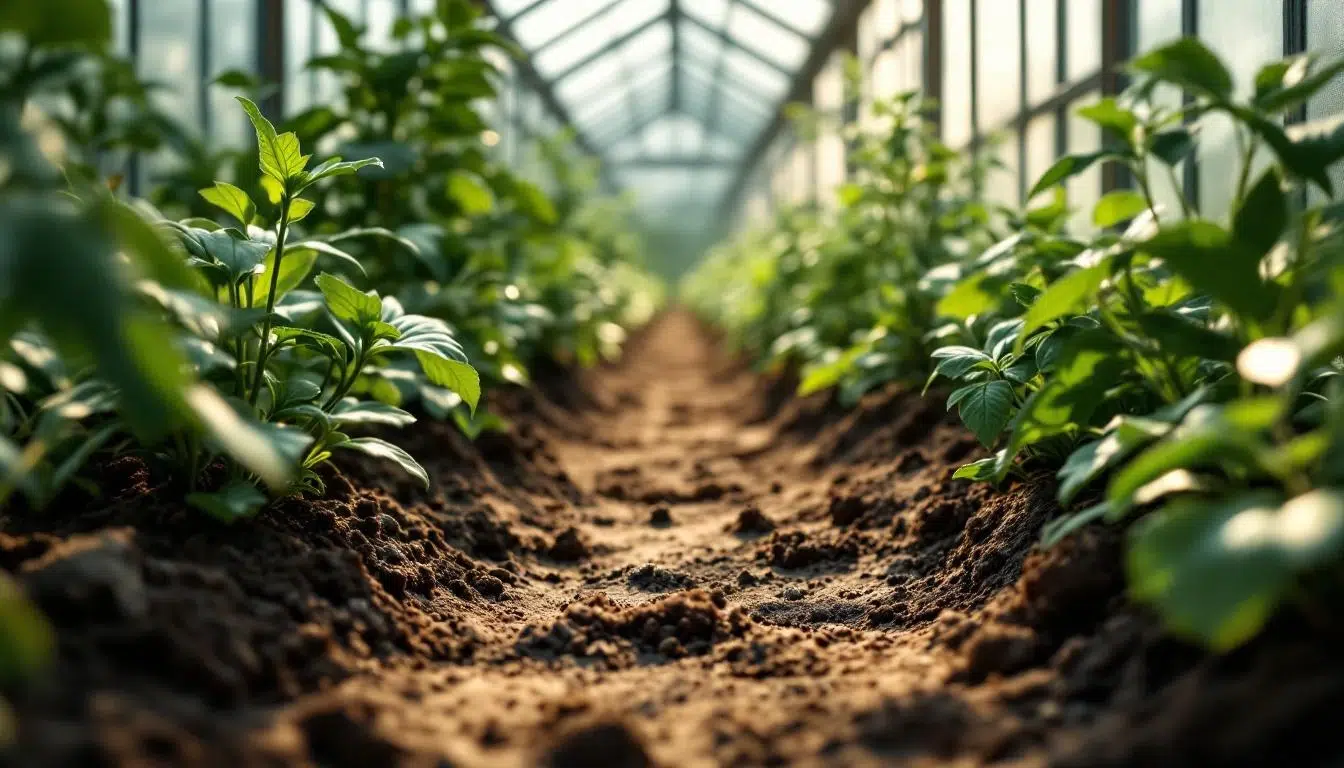
A greenhouse takes advantage of a sheltered structure (greenhouse) that allows for the modulation of certain climatic parameters while benefiting from natural light . It is a compromise between ultra-controlled indoor cultivation and the authenticity of outdoor cultivation. In hybrid management, some growers add lighting and ventilation during critical phases to maximize yieldand protect the buds.
In the laboratory, samples from the greenhouse promise variable but generally stable results, intermediate between those observed for indoor and outdoor cultivation. This makes it an attractive option for those who want to limit their ecological footprint without sacrificing the overall quality or the consistency of the cannabinoidand terpeneprofiles. How do laboratory analyses truly distinguish between these methods?Laboratory analysis doesn’t lie: only this step authenticates raw results, marketing claims, and qualitative or dubious assertions. CBD
,
legal THC , complete cannabinoid profile , nature and proportion ofterpenes —everything is scrutinized. Each
cultivation method leaves its own chemical signature on the final CBD flower. By regularly comparing the analyses from indoor, outdoor, and greenhouse samples, we begin to uncover the truth behind the visual appearance or the simple aroma: which families of molecules dominate? What differences can be explained by the environment, genetics, or stress experienced during growth? Cannabinoid profile according to cultivation method Three main factors influence the actual amount of legal CBD or THC: the plant’s genetics, the care provided, and the climatic exposure. Thus, indoor cultivation generally results in a controlled and high CBD level, while greenhouse cultivation offers a high average with some variations influenced by the weather. Outdoor cultivation, however, is sometimes subject to unpredictable conditions: drought or excess water can quickly alter the final result. A comparative table based on analyses of different batches would highlight the following ranges of variation: Cultivation Method CBD (%) – observed average Standard FluctuationLegal THC (%) – recorded range
Indoor
6 – 11 Low 0.1 – 0.25Greenhouse 5 – 9Average 0.12 – 0.29Outdoor 3 – 8 High
0.08 – 0.32 Terpenes and Aromatic Richness vs. the Method Used Terpenes determine much more than just a scent: they shape the flavor profile and work synergistically with cannabinoids to produce what is known as the “entourage effect.” Analyses
show that terpene complexity primarily benefits plants grown in greenhouses
and outdoors ; exposure to natural elements stimulates the expression of certain sophisticated olfactory nuances that are difficult to reproduce in a darkroom. Conversely, indoor cultivationprovides consistency but risks generating a repetitive aromatic profile . This observation becomes clear when a laboratory compares different harvests from the same genetic line. If aromatic fidelity is prioritized, indoor cultivation dominates. For a dynamic sensory experience, outdoor cultivation is more surprising. Yield and Sustainability: What is the balance between intensity, quantity, and ecology? Yield remains a key economic factor for any producer, but it cannot be separated from environmental considerations and the overall consistency expected in the final quality. Modern techniques now allow for informed choices based on the desired specifications. Here is how these criteria are typically distributed:Indoor: high yields, fast cycles, high energy consumption, stable flowering, electronic or plastic waste related to equipment.Greenhouse: dynamic compromise, energy savings linked to natural light, seasonal adaptation, moderate to high yield depending on the automation implemented.
Outdoor: yield subject to weather fluctuations, low carbon footprint provided irrigation is kept to a minimum, strong dependence on local soil, significant variability in harvest.This overview demonstrates, with supporting data, why no single cultivation method can be considered the absolute champion in all categories; each amateur or professional therefore adjusts their expectations based on the intended use, desired consistency, and desired environmental commitment. Frequently Asked Questions about Cultivation Methods and Analysis
| What major difference is observed during laboratory analysis between an indoor and an outdoor CBD flower? | Laboratory analysis | highlights that CBD flower | |
|---|---|---|---|
| from indoor cultivation | exhibits more consistent cannabinoid profiles | and terpene concentrations. | |
| Outdoor cultivation | yields more disparate results, due to the climatic and environmental variations inherent to each production site. Increased homogeneity indoors | Evolving sensory richness outdoors | CBD levels subject to greater fluctuations outdoors |
| Parameter | Indoor | Outdoor | Cannabinoids (consistency) |
High
Low Terpene expression Stable Variable What are the advantages of greenhouse cultivation compared to indoor and outdoor cultivation? Greenhouse cultivation combines the stability of indoor cultivation with the robust sensory profile of outdoor cultivation. It utilizes natural light, limits energy consumption, and offers relative protection against inclement weather and pests. Optimized energy costs Partial protection against disease and water stress Rich and varied aromatic profiles depending on the season
Does terpene analysis vary significantly depending on the cultivation method?Yes, terpene analysis shows that the cultivation method has a major impact: outdoor cultivation spontaneously develops a wide range of aromatic compounds, while indoor cultivation ensures a more classic and repetitive profile. Greater aromatic range outdoors Custom control possible indoors, but less nuancedSubtle and evolving mix in a greenhouse
Does yield differ significantly depending on whether the crop is grown indoors, in a greenhouse, or outdoors?
Yield does indeed vary considerably: indoor growing allows for short cycles and a substantial volume, greenhouse growing offers a good balance, and outdoor growing has its potential dictated by the weather and soil fertility. Indoor growing: high yield, consistent throughout the year Greenhouse growing: satisfactory yield, but still susceptible to weather conditionsOutdoor growing: fluctuating yield, generally higher in summer but uncertain depending on the region


