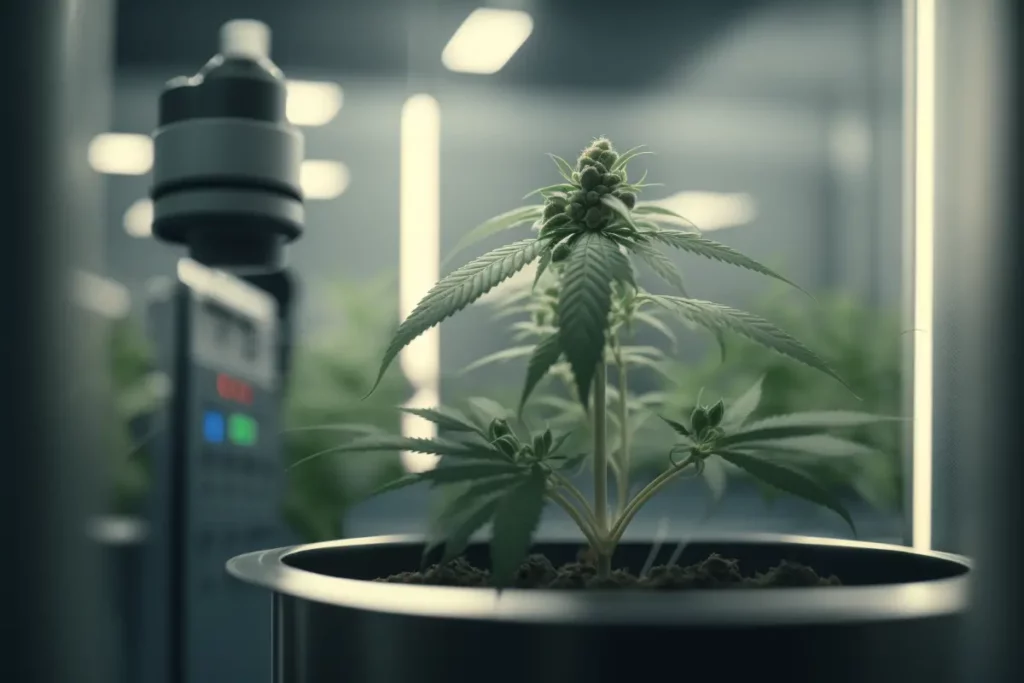
CBD is not considered a medicine, but some CBD-based products may be classified as such, like Epidiolex for epilepsy. However, in most cases, CBD is considered a dietary supplement or a wellness product.
For several years now, CBD, or cannabidiol, has been generating increasing interest in the health and wellness world. This substance, extracted from cannabis, is the subject of numerous studies, and its use is gradually spreading in several countries. However, one question remains: is CBD a medicine? To answer this, it is necessary to examine the current legislation, its effects on the body, and the potential therapeutic applications of CBD. Legislation on CBD and Medicines
In some countries, CBD is already used as a medicine.
This is the case in the United States and Canada, where CBD-based medicines have been approved for the treatment of certain conditions, including epilepsy. In contrast, in France, the situation is more complex. The Legal Status of CBD in France In France, CBD is not considered a medicine. However, it is authorized for sale under certain conditions. To be marketed, a product containing CBD must meet two main criteria:The THC (tetrahydrocannabinol) level, the psychoactive substance in cannabis, must be less than 0.2%.
The hemp, the plant from which CBD is extracted, must come from authorized varieties.
These conditions aim to guarantee consumer safety by avoiding the psychotropic effects of cannabis. However, in France, CBD can only be used as a food supplement or cosmetic product and not as a medicine.
- The WHO’s Position on CBD
- The World Health Organization (WHO) has also studied CBD and concluded that it has therapeutic potential.
In 2018, it even recommended not classifying cannabidiol on the list of controlled substances, as it does not present risks of abuse or addiction.
The effects of CBD on the body To understand whether CBD can be considered a medicine, it is essential to study its effects on the body. CBD acts primarily by interacting with the endocannabinoid system, a set of receptors present throughout the human body that play a crucial role in regulating various functions such as pain, mood, appetite, and sleep.Anti-inflammatory and analgesic effects
CBD has recognized anti-inflammatory and analgesic properties. It can therefore help relieve pain and inflammation associated with various conditions, such as arthritis or muscle pain. Furthermore, unlike other medications used to treat pain, CBD presents few risks of side effects. Anxiolytic and Antidepressant Effects
Studies have also shown that CBD can act on anxiety and mood disorders by modulating the transmission of neurotransmitters involved in these processes, such as serotonin. Thus, it could be used as an alternative treatment to traditional medications for depression and anxiety, with fewer side effects. Therapeutic Potential of CBD: Applications and LimitationsThe use of CBD as a medicine is still in the research phase, but several studies have already highlighted its potential for treating certain conditions:
Epilepsy: Clinical studies have demonstrated the effectiveness of CBD in significantly reducing the frequency of seizures in people with epilepsy resistant to conventional treatments.
Multiple Sclerosis CBD may improve some symptoms of this disease, such as muscle spasticity and pain.
Neurodegenerative Diseases
: The anti-inflammatory and neuroprotective properties of CBD could be beneficial in the treatment of diseases such as Parkinson’s or Alzheimer’s. However, it is important to emphasize that studies on CBD are still ongoing and further research is needed to confirm its efficacy and safety. Furthermore, even though CBD shows promising therapeutic potential, it cannot be considered a medicine until it has been approved by the relevant authorities.
CBD Consumption: Caution and Guidance
While awaiting the evolution of CBD’s legal status and the approval of cannabidiol-based medicines, it is recommended to take certain precautions when using CBD products. These include:
- Checking the origin and quality of the products (THC levels, presence of other substances).
- Adhering to the indicated dosages and adjusting consumption according to individual needs.
- Consult a healthcare professional before starting to use CBD, especially if you are already taking medication or suffer from a medical condition.
In short, CBD has interesting therapeutic potential that could make it a medicine in its own right. However, current legislation and the state of scientific knowledge do not yet allow it to be classified as such. Until then, it is essential to remain vigilant and follow the recommendations of healthcare professionals to best benefit from the effects of CBD.
Can CBD replace medication?