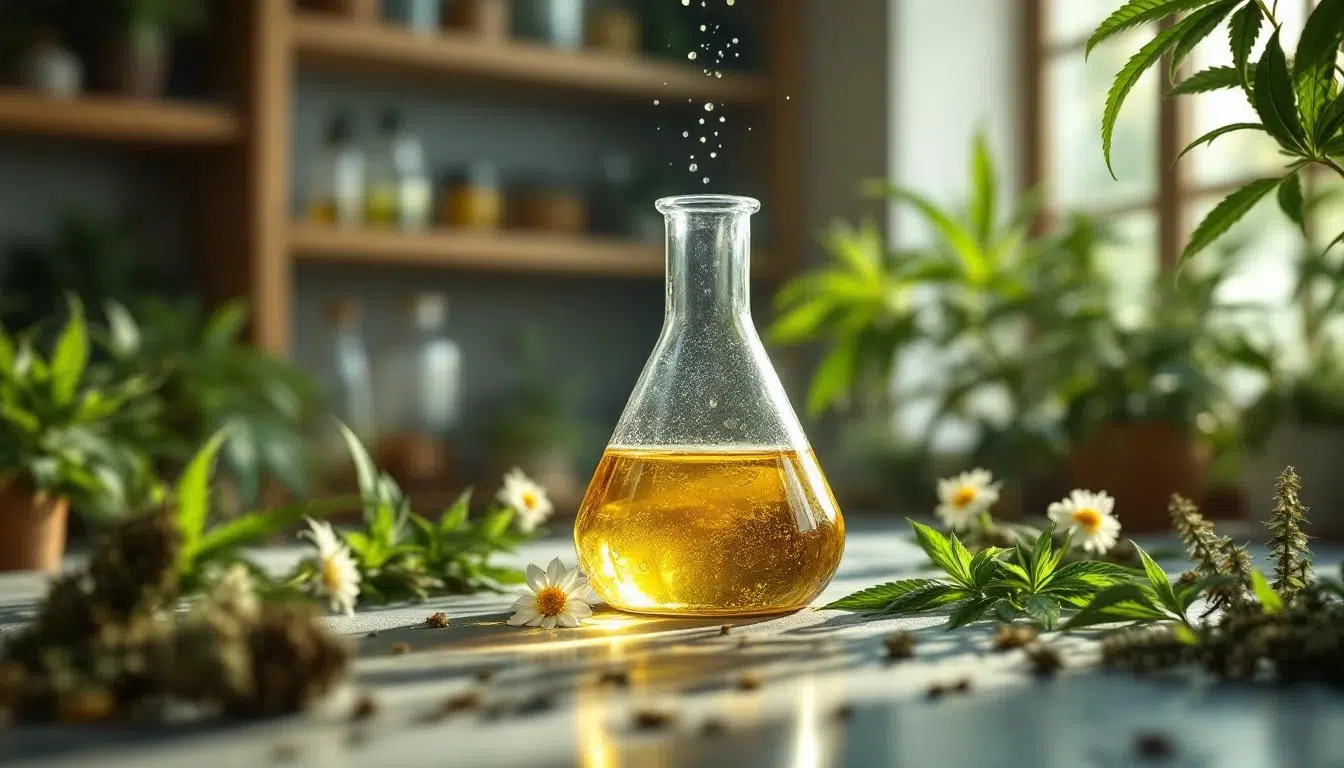

Since the legal cannabis market has become more accessible, the terms terpenes and the entourage effect have become commonplace in conversations about CBD, THC, and the potential benefits of these compounds. Informed consumers are now looking for more than just cannabinoid content; they are interested in the complex synergy between terpenes, flavonoids, and other natural components. However, beyond the marketing hype and the carefully crafted storytelling surrounding aromatic profiles, there exists a scientific field rich in nuances and recent discoveries. Understanding how the entourage effect actually works allows for an informed approach to the expected medical and therapeutic effects of cannabis. What Terpenes in Cannabis Really Are Terpenes represent an impressive category of volatile organic compounds found in cannabis as well as in a multitude of medicinal and aromatic plants. Responsible for the aromas, smells and taste specific to each variety, these molecules have long intrigued researchers for their potential to modify certain effects of CBD, THC, and other cannabinoids. In nature,terpenes primarily serve to protect the plant from predators and attract pollinators. Their diversity explains the range of scents and flavor profiles unique to each cannabis strain. Major terpenes such as myrcene, limonene, and pinene are commonly found, each associated with distinct fragrances and, according to some studies, specific biological interactions. The main families of terpenes identified
Some researchers distinguish different fundamental groups of
terpenes in the composition of cannabis , classified according to their chemical structure: Monoterpenes: These are characterized by their lightness and volatility, contributing significantly to the fresh aromas and fruity.Sesquiterpenes: Heavier and more persistent in the air, they offer woody, spicy, or earthy notes. Diterpenes: Less frequent, they sometimes contribute to enhancing certain medicinal properties of cannabis. The distribution of these families varies from one strain to another and influences not only the perceived aroma but also how the body perceives the effects of the final product. The influence of terpenes on aromas and taste: The extreme aromatic diversity of cannabis flowers stems directly from the terpene profile specific to each variety. A high concentration of limonene will bring out lemony notes, while a high level of caryophyllene will generate more peppery or spicy nuances. But the range doesn’t stop there: combined with flavonoids, other compounds responsible for color and bitterness, the subtle flavors explode, making the tasting of CBD rich and personalized. Hence the current enthusiasm for the sensory analysis of cannabis among both knowledgeable enthusiasts and healthcare professionals seeking targeted therapeutic effects.
The concept of the entourage effect: from theory to reality The entourage effect describes the synergy between the various active components of cannabis, including terpenes, flavonoids, and cannabinoids such as CBD or THC. To delve deeper into this phenomenon and understand its impact on modern formulations, it may be helpful to consult a specialized resource on the entourage effect in CBD, which highlights the natural synergy sought in many wellness products. This phenomenon suggests that the combined and balanced presence of all these molecules amplifies the potential health benefits compared to the isolated use of a single compound. Adopted by many players in the sector, this concept has gradually transformed into an often exaggerated marketing ploy. But when we move beyond the storytelling to examine the scientific results, this notion primarily reveals a series of complex mechanisms where the evidence sometimes remains tenuous. What interactions have been observed between terpenes and cannabinoids? Preclinical studies demonstrate that certain terpenes, taken in combination with THC or CBD, modify the way these substances bind to receptors in the endocannabinoid system. For example, beta-caryophyllene appears to act partially as a cannabinoid, capable of targeting the CB2 receptor, thus broadening the range of possible therapeutic effects. A possible interaction between myrcene and THC could enhance the feeling of relaxation or sedation. Limonene and pinene have been associated with positive effects on mood or cognition when combined with other active molecules. Documented medical effects versus public expectations While many consumers expect dramatic effects due to the entourage effect, most current scientific publications focus instead on a gentle, sometimes subtle, modulation of physiological responses. Proven results are more related to the potential anti-inflammatory, anxiolytic, or neuroprotective properties of successful CBD/THC combinations and certain terpene families. Thus, some clinical trials suggest that full-spectrum plant extracts produce greater beneficial effects than pure isolates, although this does not yet substantiate all the claims circulating online about the all-powerful influence of terpenes. Caution is therefore still advised when making interpretations.
Measuring and Understanding the Entourage Effect: What Methods Exist?
To objectively validate the reported synergy betweenterpenes
- and cannabinoids , various analytical approaches have been developing for the past ten years. At the crossroads of analytical chemistry
- and pharmacology, these protocols attempt to isolate and then compare the compositions and response profiles between full and simplified extracts. The goal is to dissect the
- molecular interactions between each of the active elements, in order to determine if and at what level significant variations occur. These analyses are based on the observation of tangible medical effects or changes in objective parameters such as neuronal activity, pain relief, or anxiety management.
Limitations and Challenges of Quantifying Synergies While several techniques now exist to identify and quantify each molecule in a cannabis sample, the precise measurement of their interactions remains difficult. The main obstacle lies in thegenetic variability
of the plants, but also in the extraction method and the administration of the mixture, which strongly influence the release of the
aromas , the absorption, and the duration of the effects . Furthermore, many studies still rely on in vitro or animal models, which limits the practical application of their conclusions to humans. Several recent studies are now seeking to better standardize tests to refine the understanding of the mechanisms of the entourage effect , while debunking some persistent myths perpetuated by marketing. Integrating scientific advances into daily consumption
With the rise of laboratories specializing in CBDWith the development of new dosage forms (enriched oils, smart vaporizers, etc.), a growing proportion of consumers can access detailed information on a product’s terpene profile. Some manufacturers even publish comparative charts listing the concentration of the main terpenes, their associated flavors, and their desired effects. TerpeneAroma/Smell Assumption of EffectMyrcene Musky, earthy
Sedative, relaxing
LimoneneCitrus, fresh Stimulating, energizing Caryophyllene Spicy, peppery Anti-inflammatory, analgesicPinene Wooden, herbaceous Improves concentration This transparent access to data encourages informed self-consumption, based on specific criteria tailored to individual needs, far removed from the vague and simplistic notions conveyed solely by commercial narratives. Frequently Asked Questions about Terpenes and the Entourage Effect in Cannabis Why is the entourage effect so much discussed in cannabis? The entourage effect explains the growing interest in full-spectrum products, as it refers to the synergy between cannabinoids, terpenes, and flavonoids. According to this theory, a combined action provides medicinal effects that may be greater than those obtained from a single isolated molecule.
Potential improvement in therapeutic efficacy Broader action profile (pain relief, anxiolytic, etc.) Greater personalization of uses based on terpene profiles
How exactly do terpenes interact with CBD or THC? Terpenes interact with receptors in the central nervous system and can influence the absorption and intensity of the effects of CBD or THC. Some combinations promote relaxation, while others stimulate or enhance properties such as mood enhancement. Myrcene + THC: increased muscle relaxation. Limonene + CBD: positive mood, stress reduction.
Is there solid clinical evidence on the synergy of terpenes? Large-scale clinical evidence remains quite limited, but several laboratory studies and preliminary research support a partial synergy in certain therapeutic contexts.The observed effects mainly concern calming, relief of inflammation, or the management of anxiety.
- Study Mixture tested Result In vitro CBD + myrcene Increased calming effect Animal model
- THC + caryophyllene Pain reduction What advice is there for choosing a cannabis product based on its terpene profile? Examining the certificate of analysisprovided by the manufacturer gives a clear picture of the terpenes present
and their concentration. It is helpful to select a strain corresponding to the desired effect (relaxation, stimulation, pain management). Look for
myrcene-rich blends for evening use Opt forcitrusy flavorswith a limonene dominance for an energizing effect Compare CBDand THC levels