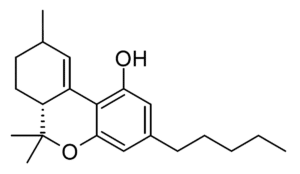
In the health field, CBD (or cannabidiol)
is steadily gaining popularity thanks to its numerous therapeutic benefits. Derived from Indian hemp and renowned for its relaxing effect, CBD also has interesting properties related to blood vessels and the prevention of heart attacks. In this article, we will explore the link between this substance and stents.
What is a stent?
A stent is a medical device designed to widen a narrowed or blocked area of the coronary arteries. This blockage can be caused by the accumulation of plaque in the bile ducts, leading to biliary obstruction. To address this, a
biliary stent tube
is used, a thin, flexible tube structure usually made of metal. This device is often used during stent placement surgery, the purpose of which is precisely to prevent complications related to narrowed blood vessels. The procedure typically involves endoscopic retrograde cholangiopancreatography (ERCP), which allows the physician to guide the stent through the bile ducts and position it at the site of the obstruction. CBD and Biliary Dilation
CBD’s role in addressing these types of problems is multifaceted. First, it appears to aid in biliary dilation, that is, the widening of the bile ducts. This helps prevent or reduce the risk of gallstone formation (choledocholithiasis), also known as CBD stones.
Furthermore, according to some studies, CBD may facilitate the elimination of gallstones and promote better recovery after the procedure. Finally, some researchers suggest that CBD may preserve the function of the omphalomesenteric omentum (OAF) after stenting following gallstone removal. Maintaining coronary artery health with CBD
In addition to its specific effects on the bile ducts, CBD also has interesting properties for maintaining overall blood vessel health. Indeed, cannabidiol is already known to help relax vessel walls, thereby lowering blood pressure and promoting better blood flow.
This is particularly important in the context of cardiovascular diseases such as hypertension and heart disease, two major risk factors for stroke. Generally speaking, incorporating CBD into a healthy lifestyle tailored to individual needs can be beneficial in supporting the entire cardiovascular system.
Different forms of CBD to support stent therapy Beyond the specific properties of CBD related to diagonal and LAD guides, it is important to note that this substance is derived from the cannabis plant. Therefore, smoking cannabis to obtain the medicinal effects of CBD is not recommended, as it can induce other undesirable effects related to inhaled smoke and the presence of THC (tetrahydrocannabinol), another psychoactive component of cannabis.
- In this context, non-smokable and THC-free forms are preferred to benefit from CBD when undergoing treatment involving stents:
- Tintages: Available in liquid form, these are generally alcohol- or oil-based and can be taken sublingually (under the tongue).
- Capsules: Ideal for those who prefer precise and regular dosing, CBD capsules are similar to traditional dietary supplements.
Topical creams: These products are applied directly to the skin to target specific areas and relieve, for example, muscle or joint pain.
Edibles: CBD-infused foods are a more enjoyable way to consume this substance and are suitable for people who have difficulty ingesting capsules or tinctures.
To ensure the safety and effectiveness of the treatment, it is essential that the products used are of good quality and contain CBD levels precisely indicated on the label. It is also necessary to consult a doctor before using these products, especially if you are under medical care for a specific condition.