


The summary
- What is an essential fatty acid?
- Omega-3s
- Omega-6
- An omega-3 deficiency?
- How can this be remedied?
What is an essential fatty acid?
To function properly, our body needs different fatty acids . There are 20 different fatty acids. Of these 20, there are 2 that we are unable to produce: in fact, the body does not synthesize them. Yet, they are "essential." Here are the two fatty acids that the body does not produce:
- LA or AL, linoleic acid: an omega-6
- ALA or LNA, alpha-linolenic acid: an omega-3
Essential for the proper functioning of our body: omega-3 and 6 are fatty acids (PUFAs). Since our body does not produce them, they must be obtained through diet.
Omega-3s:
Omega -3 fatty acids are involved in numerous bodily functions. They are components of cell membranes and also play a crucial role in many biological reactions, particularly hormonal and immune responses. They thus have a beneficial influence on the quality of cell membranes and on anti-inflammatory and immune responses. They also appear to help prevent cardiovascular disease, strokes, and certain cancers, including breast and colon cancer. Furthermore, they may have an impact on age-related mental health issues. Omega-3s are also known for their ability to combat high blood pressure.
Ideally, it is recommended to consume approximately 2g of Omega-3 per day.
Omega-6 fatty acids:
Consumed in reasonable quantities, omega-6 fatty acids : – help to have beautiful skin, – protect the cardiovascular system, – stimulate the immune system, – are very involved in the functioning of the nervous system, – are beneficial to the wound healing process, – and may also help to reduce the intensity of allergic reactions.
Ideally, your daily intake of Omega-6 should be around 8g.
An omega-3 deficiency?
In the days of gathering and hunting, man's diet contained an equal amount ofomega-3 and omega-6.
The problem is that our modern Western diet often provides us with an excessive intake of omega-6 fatty , while we are largely deficient in omega-3s. In practice, it is common to consume 30 times more omega-6 than omega -3.
This is due to the development of modern industrial vegetable oils , which are very rich in omega-6 fatty acids (LA), and the introduction of hydrogenation in vegetable oil processing. The food industry uses very little omega -3 (ALA) because it goes rancid more quickly. This unfortunate dietary imbalance can lead to serious health consequences, such as an increased risk of cardiovascular disease (e.g., weight gain, increased risk of cardiovascular disease, etc.).
How can this be remedied?
Simply by reducing your omega-6 intake (corn oil, sunflower oil, grapeseed oil, meat, eggs, etc.) and increasing your omega-3 intake ( flaxseed, hemp oil, fish, etc.). The good quality of a vegetable oil is therefore assessed by having the highest possible omega-3/omega-6 ratio to counteract this imbalance.
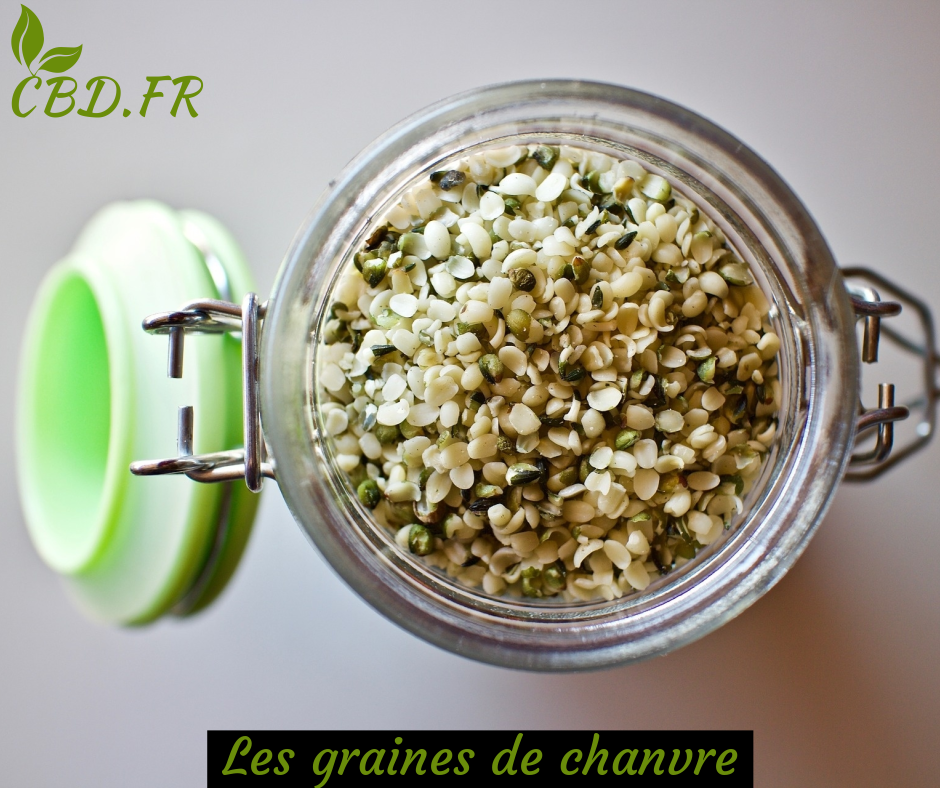
Hemp seeds acids are a unique source of omega-3 fatty . It is their essential fatty acid content that makes hemp seeds particularly valuable. Indeed, as mentioned above, the vast majority of oils and foods consumed in Western countries provide far too much omega-6 fatty acid (linoleic acid) and far too little omega-3 fatty acid (ALA, alpha-linolenic acid). This imbalance—approximately 10 to 30 omega-6 fatty acids for every 1 omega-3—creates conditions conducive to cardiovascular and inflammatory disorders!
However, in hemp seeds, the omega-6/omega-3 ratio is 2/1 to 3/1 and corresponds to the ideal proportions for human health established at 1/1 to 4/1.
Thus, hemp seed oil proves to be a perfect ally for maintaining your body's balance.
The fact that this oil also contains up to 4% gamma-linolenic acid (GLA) adds to its appeal (or its magic!), as some people are unable to synthesize this substance from omega-6 fats and therefore need a direct source.
Like all products rich in omega-3 fatty acids, hulled hemp seeds and hemp oil oxidize easily when exposed to air or heat. Be aware that oxidized fats are harmful to your health.
It is therefore recommended to buy small quantities of oil at a time. As long as the container is sealed, the oil will keep for 10 months in a cool place. Once opened, the oil will keep for approximately 2 months in the refrigerator.
Hemp seed oil is ideal for salad dressings or for flavoring a dish after cooking. However, due to its content of fragile omega-3 fatty acids, it is not suitable for cooking.
As you have understood, hemp seeds and hemp seed oils are perfectly suited for consumption and offer benefits to our bodies, particularly thanks to the perfect balance of omega-3 and omega-6 intake.

Editor-in-Chief specializing in CBD
Julien, born on July 17, 1978, in the Paris region, is a prominent writer and expert in the field of CBD products. Following his studies, Julien developed a passion for natural remedies, including CBD. In 2022, he joined the CBD.fr team as an expert and regular contributor. Thanks to his scientific expertise and clear writing style, Julien helps demystify the complexities of CBD, while highlighting its benefits and potential applications through his articles and conference presentations.


