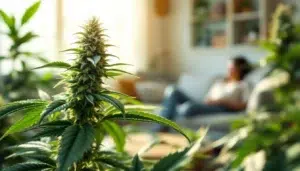
The Dominican Republic, known for its idyllic beaches and tropical climate, also has specific regulations regarding the consumption, cultivation, and sale of substances like CBD. In this article, we will explore in detail the laws governing CBD in this Caribbean country, highlighting the legal aspects that may be of interest to both locals and tourists. General Background on Cannabis and CBD
Before delving into specifics, it is essential to distinguish between cannabis and CBD. The former contains high levels of THC (psychoactive), while the latter is recognized for its therapeutic properties without psychotropic effects. However, the legal definition varies from one country to another, directly influencing regulations surrounding these substances, particularly at borders and in various modes of transportation such as airplanes, trains, and buses. Current Laws Regarding the Possession and Consumption of CBD
In the Dominican Republic, Law No. 50-88 plays a crucial role. This legislation prohibits the non-medical use of cannabis products. However, its wording regarding CBD remains somewhat vague, creating room for interpretation. Individuals can possess CBD under certain conditions but must be cautious with concentrates and finished products, which must not contain THC above a minimum acceptable threshold. Regulations Surrounding the Sale of CBD Regarding the sale of CBD, several specialized businesses exist, but they operate within a highly controlled framework. These businesses must obtain appropriate licenses and ensure that their products comply with local standards, including those related to purity and THC content. Failure to comply with these rules can result in severe penalties, including fines and even imprisonment. Cannabis Cultivation and CBD ProductionCannabis cultivationCBD production in the Dominican Republic is subject to very strict legislation. Growers must comply with rigorous application processes and prove that their operation will be for strictly medical or scientific purposes. This framework aims to control production while preventing diversion to the black market.Navigating Customs Procedures with CBD When traveling, bringing CBD via plane, train, or bus involves customs checks. It is recommended to carry documents validating the legality and composition of the product. Without this, crossing borders can become a complicated experience, including interrogations and potentially the confiscation of products suspected of containing illegal levels of THC. Checklist for CBD in Transit Documentation:Keep proof of legal purchase and analyses proving the THC level is within acceptable limits. Product Compliance:
Verify that the brand and type of CBD are authorized in the destination country.
Discreet Packaging: Ensure that packaging complies with international standards to avoid raising unnecessary suspicion. The CBD market continues to evolve globally, and the Dominican Republic faces the challenge of modernizing its laws to keep pace with this trend. Between economic opportunities and public health concerns, Dominican legislators are at a crossroads, seeking the best way to integrate this emerging industry safely and profitably. Understanding these legal nuances can therefore benefit everyone, perhaps accelerating the necessary adjustments for full recognition of CBD’s potential in the country.