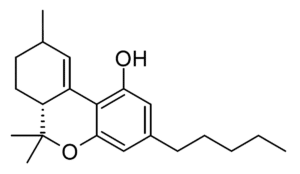
CBD isincreasingly popular among people seeking a natural solution to alleviate pain or anxiety, for example. Known for its calming effects, CBD can be consumed in several ways.
of CBD flowers for infusions, CBD oil , or even CBD candies, cannabidiol is known for its numerous benefits. However, many people have questions about its risks, particularly regarding dosages.
Can you overdose on CBD? Is it dangerous? CBD.fr answers all your questions in this article!
What is CBD?
CBD is a molecule derived from hemp, a plant also known as Cannabis sativa. It's important to know that this plant exists in several varieties.
Each strain offers very different levels of CBD (cannabidiol) and THC (tetrahydrocannabinol). Some varieties are therefore cultivated primarily to create CBD products for relaxation purposes, while others are used illegally for their high THC content.
CBD, on the other hand, is perfectly legal as long as it complies with the legal limits regarding the presence of THC. Indeed, CBD products must not exceed 0.2% tetrahydrocannabinol in France.
Is CBD dangerous?
Despite its legality, it remains a product that causes concern since it is often mistakenly associated with THC, the euphoric psychoactive molecule of hemp (cannabis sativa).
However, the World Health Organization (WHO) published a report in 2017, in which it explains that CBD is perfectly safe for health and that it even has a positive effect on the general well-being of consumers ( sleep, anxiety, etc.).
If you follow the dosages indicated on the packaging, you have no risk of experiencing adverse effects.
Regarding the risk of addiction, know that it is nonexistent with CBD. Unlike THC, this molecule is not psychoactive and has no effect on your dopamine levels. Therefore, you cannot become addicted to CBD.
What are the known side effects of an overdose?
When used in larger quantities, CBD can nevertheless cause some mild side effects, which may vary from person to person. Among these adverse reactions, some consumers have specifically mentioned:
- Drowsiness and fatigue: CBD has calming properties that may promote sleep. If you experience these effects, it is advisable not to drive, just as you would with a level 1 or 2 medication.
- Nausea: Taken in high doses, CBD may cause some stomach discomfort. This reaction could be a sign of a slight overdose or the ingestion of poor-quality oil
- Diarrhea: it could also cause irritation of the intestinal lining. This could occur particularly in people who are intolerant to oils in general (hemp, olive, etc.).
- Dry mouth: it could also create a sensation of dry mouth following an action on the salivary glands.
- Low blood pressure and dizziness: in this case, CBD should be avoided by people who have abnormal blood pressure (hypertension, etc.).
In any case, we recommend that you consult a doctor if you wish to know more. They will be better able to advise you based on your health condition and concerns.
How to properly dose your CBD?
In reality, it is difficult to overdose on CBD since your body is fully capable of handling several milligrams of this soothing molecule.
For oils, for example, CBD concentrations generally range from 5% (500 mg) to 20% (2000 mg). We also consider an overdose of such products to be 1500 mg, which means you would have to consume an entire bottle containing 15% or more CBD.
By respecting the recommended two to three drops of oil, you should not experience any adverse effects.
Is it possible to overdose on CBD?
To conclude this article, we can also confirm that it is impossible to overdose on CBD since it is not classified as a drug.
Its consumption is safe, especially if you stick to the recommended doses. An overdose is neither fatal nor toxic to your body.
The only risks you may experience have already been mentioned previously and concern the few known mild side effects (nausea, headaches, drowsiness, etc.).
We hope we have answered your questions. Remember to consult your doctor if you are experiencing anxiety, pain, or other symptoms.
We also remind you that CBD should not replace medical treatment. Its actual effects on health warrant further study.

Editor-in-Chief specializing in CBD
Julien, born on July 17, 1978, in the Paris region, is a prominent writer and expert in the field of CBD products. Following his studies, Julien developed a passion for natural remedies, including CBD. In 2022, he joined the CBD.fr team as an expert and regular contributor. Thanks to his scientific expertise and clear writing style, Julien helps demystify the complexities of CBD, while highlighting its benefits and potential applications through his articles and conference presentations.