
The world of CBD continues to reinvent itself, driven by technological innovations and changes in legislation. In recent years, the debate surrounding the choice between CBD flower and CBD resin has intensified, both among novices and experienced users. As 2026 approaches, it's relevant to analyze how these two main forms are evolving, which varieties are gaining ground in the market, and which selection criteria are becoming crucial for achieving the best quality. This article offers a comprehensive overview and an comparison of flower and resin to guide users in their purchases, while addressing the key issues surrounding CBD and THC levels.
Understanding the distinction between CBD flower and CBD resin
Before discussing the future, it's important to remember what differentiates these two main forms. The comparison between flower and resin isn't just about appearance or texture, but also involves uses, CBD concentrations , and unique perspectives on the top products available.
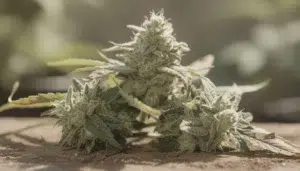
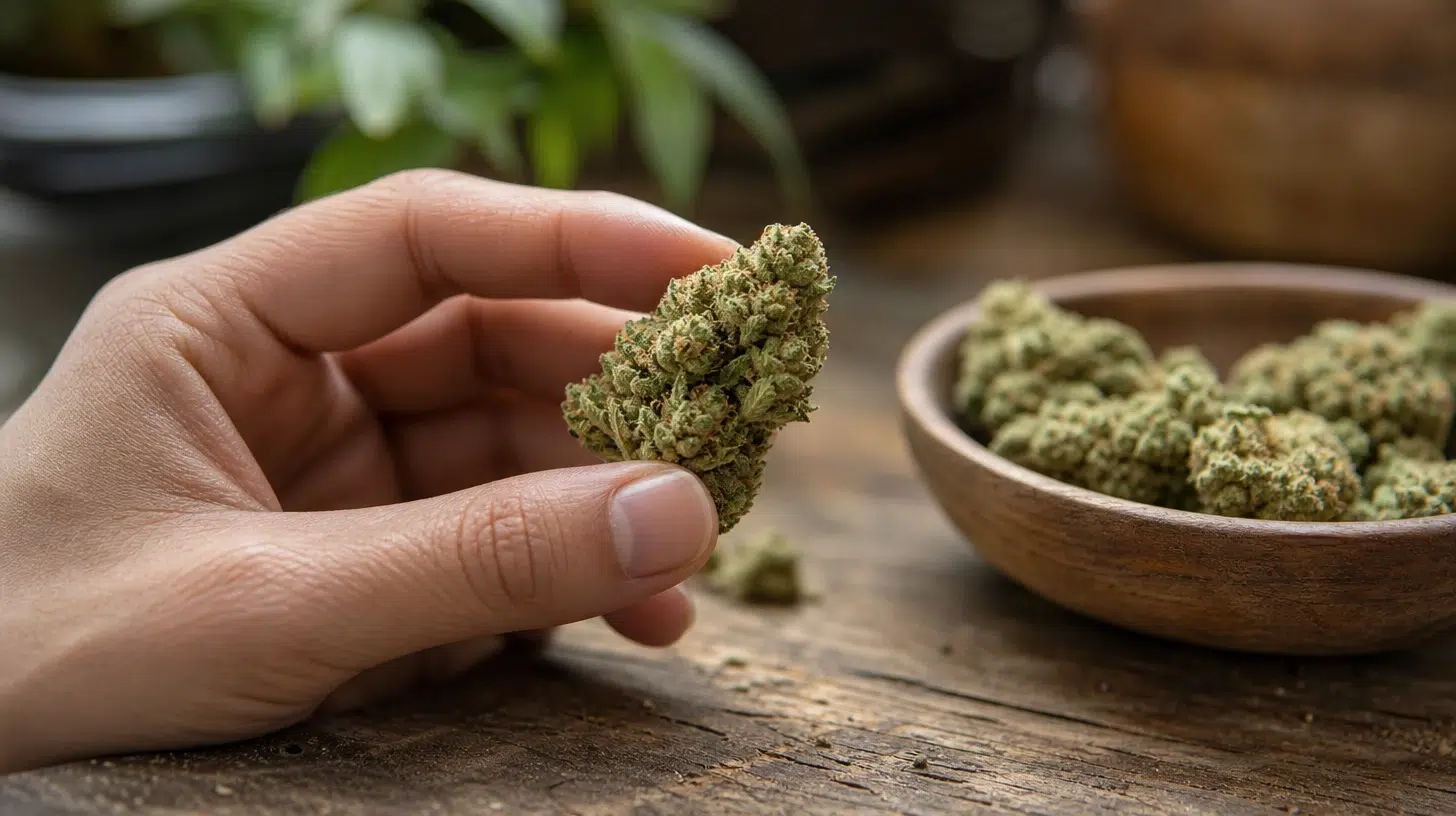
CBD flower is the terminal part of the hemp plant, harvested, dried, and sometimes cured depending on the strain ( Kush , OG , Runtz ). It retains a rich aromatic profile with a broader spectrum of cannabinoids. To discover a selection of quality products, browse our CBD flowers . CBD resin , on the other hand, is produced through an extraction process: it concentrates the cannabinoid-rich trichomes, often amalgamated into a compact and malleable product. This directly influences the CBD concentration and sensory perception.
Evolution of legalization and its impact on product types
The last five years have been marked by a series of significant adjustments to European legislation concerning CBD and its derivatives, directly impacting the sale, production, and processing of the various forms available on the market. To better understand what cannabidiol is and its specific characteristics, it is helpful to learn about CBD . As of 2026, certain trends are emerging, making it crucial to analyze current and future regulations to make an informed choice when consulting a buyer's guide .
The fundamental question concerns the permitted THC in each product: even though CBD is not psychoactive, the presence of THC, however small, remains extremely closely monitored. It is also essential to be informed about the possible side effects of cannabidiol. There has been a trend towards stabilizing the maximum permitted level, coupled with stricter quality controls to ensure that top-quality products needs of discerning consumers.
Adapting the market to new regulatory standards
To meet the growing constraints imposed by new legislation, many producers and distributors are now relying on innovative strategies. Independent laboratory analyses are systematically carried out to verify not only the concentration of CBD but also that of THC.
Emphasizing precise traceability, from the variety to the packaging, reassures customers concerned about consuming legally. This trend particularly benefits CBD resin, whose industrial production allows for better control of dosages, unlike CBD flower , which is dependent on climatic and genetic variations.
New varieties and hybridizations in response to demand
The year 2026 also saw the development of varieties , resulting from targeted hybridization efforts. Growers competed to offer, for example, kush or OG- with intense aromas while respecting strict requirements on THC.
In the CBD resin market , the emergence of blends inspired by classic strains, translated into "full spectrum" versions, is multiplying the available flavor profiles. This opens the door to a wide range of choices, tailored to specific needs in terms of flavor, CBD concentration , or desired effect.
Practical comparison: why choose CBD flower or CBD resin?
A selection necessarily involves a careful analysis of the advantages and disadvantages associated with each format, taking into account the preferred method of use, the budget, and of course the legislation in force.
Certain factors carry more weight depending on the user profile, whether they are a casual consumer or a seasoned connoisseur seeking the best product. Here is a comparative list to help clarify things:
- Aromas: CBD flower retains more subtleties thanks to its richness in natural terpenes, while resin often offers a more concentrated and full-bodied bouquet.
- CBD level/concentration: the resin generally exceeds the flower in terms of concentration, which makes it easier to control the dosage.
- Versatility of use: the flower lends itself readily to infusionor vaporization, while the resin can be incorporated into culinary preparations or used in a specialized vaporizer.
- Durability: the resin, being compacted and less sensitive to humidity, offers better preservation than the CBD flower.
- Buying guide: the flower requires careful visual and olfactory inspection, while the resin requires special attention to appearance (texture, color) and the manufacturer's provenance.
The table below summarizes some of these differences to help any user make their choice:
| Criteria | CBD flower | CBD resin |
|---|---|---|
| Appearance | Whole, greenish buds | Compact, brown/black pieces |
| Average CBD content | 5 % – 12 % | 10 % – 40 % |
| Conservation | Sensitive to humidity | Stable and long-lasting |
| Use | Infusion, vaporization | Vaporizing, cooking |
| Aromatic pleasure | Terpenes in abundance | Powerful profiles |
Top products and essential criteria for an informed selection
Whether you're looking for CBD flower or resin, the search for the best quality remains paramount. Certain factors deserve particular attention, especially given the ever-expanding and diversifying range of products available each year.
An effective buying guide relies as much on knowledge of the different types/varieties ( kush , runtz , OG , etc.) as on a careful reading of analysis certificates or an examination of the manufacturing process. Cultivation location, agricultural practices, absence of contaminants, and well-designed packaging also appear as undeniable indicators of quality
Objective quality indicators for CBD flower
The quality of CBD flower is measured by its density, freshness, uniform color, and the integrity of the trichomes visible to the naked eye. The presence of seeds or thick stems may indicate careless sorting, which is incompatible with high-end expectations.
The aroma should remain strong without any suspicious chemical notes. Finally, a vaporizer test immediately reveals the terpene balance and the absence of any irritating sensation, guaranteeing a properly dried and cured product.
Distinguishing features of a premium CBD resin
when judging CBD resin. Elasticity, a fine structure under pressure, and the absence of powdery residue indicate professional pressing and careful selection of raw materials.
The aromatic profile varies depending on the extraction method, ranging from spicy notes to earthy hints characteristic of major strains like OG or Kush. A natural color, neither too light nor excessively dark, reflects the balance between tradition and technical innovation.
Outlook for CBD in 2026: Innovation, experience, and increased demands
Looking ahead, 2026 should mark the rise of more informed and responsible consumption. Gone are the days when the difference between CBD flower and resin was simply a matter of taste preference: the concept of a top product is now enriched by new qualitative and regulatory criteria.
The medical use of CBD is growing as new cannabinoid blends appeal to a wide audience, adding to the complexity of the choice. This buyer's guide will be continuously updated, taking into account market dynamics, agricultural advancements, and specific regional regulations regarding legality and THC levels .
In terms of varieties , every enthusiast will soon be able to create their ideal assortment, from exclusive hybrid types designed for relaxation to concentrated resins aimed at a moderate, immediate effect. This diversity fuels the sector's vitality and reinforces CBD 's central position in both the wellness segment and the emerging therapeutic world.
What are the main criteria for choosing between CBD flower and CBD resin?
- Preference for aromatics: CBD flower delivers a more subtle range of flavors.
- Seeking a high concentration level: the resin often displays higher levels of CBD.
- Ease of storage and use: the resin is less exposed to variations in humidity.
Regular use will favor precise dosage control, while purists will appreciate the raw, unadulterated nature of the flower. Ultimately, it all depends on the primary need and the timing of consumption.
How will the permitted THC levels evolve in 2026?
THC levels are always the subject of political and economic debate, even when the intended use is non-psychoactive. In 2026, the limits should remain at the legal minimum, generally below 0.3%. A comparative table highlights this requirement:
| Product | Maximum legal THC level |
|---|---|
| CBD flower | 0,3 % |
| CBD resin | 0,3 % |
Controls will become increasingly strict, involving the requirement for a certificate of analysis displayed on the label or available online, regardless of the type chosen.
Which varieties or types of CBD should be favored in 2026?
- Kush, OG: varieties known for their aromatic intensity.
- "New generation" hybrids combining smoothness and controlled power.
- Resins enriched with terpenes for an enhanced sensory experience.
Each year brings its share of new products, sometimes with genuine "must-have" trends. Personal preferences largely guide the choice, linked to lifestyle and individual sensitivity to certain cannabinoid profiles.
Will the CBD buying guide be simpler or more complex in 2026?
While diversity increases, the transparency provided by quality labels, the display of percentages/concentrations, and personalized support significantly simplifies the journey for the informed buyer. Here is a list of points to check:
- Careful reading of the certificate of analysis
- Selection of suitable varieties (kush, runtz, og…)
- Distributor's reputation
- Clarity on the THC/CBD ratio
All of this contributes to making the choice between CBD flower or resin a thoughtful act of consumption, in line with a sustainable perspective.

Co-founder of CBD.fr
Julien Cordobes is the editor of CBD.fr. Born in 1978 in the Paris region, he first trained in e-commerce before turning to natural health approaches, a dual perspective that now structures his way of writing about cannabidiol: reading the scientific literature as it is, without hardening the conclusions, and presenting it in a language that everyone understands.
He discovered CBD at a time when the French market was developing faster than the information available to it. He acquired CBD.fr in 2022 and then took on editorial responsibility for the blog. Since then, he has published numerous articles covering the daily use of CBD, the interpretation of laboratory analyses, the evolution of the legal framework, and precautions for use.