
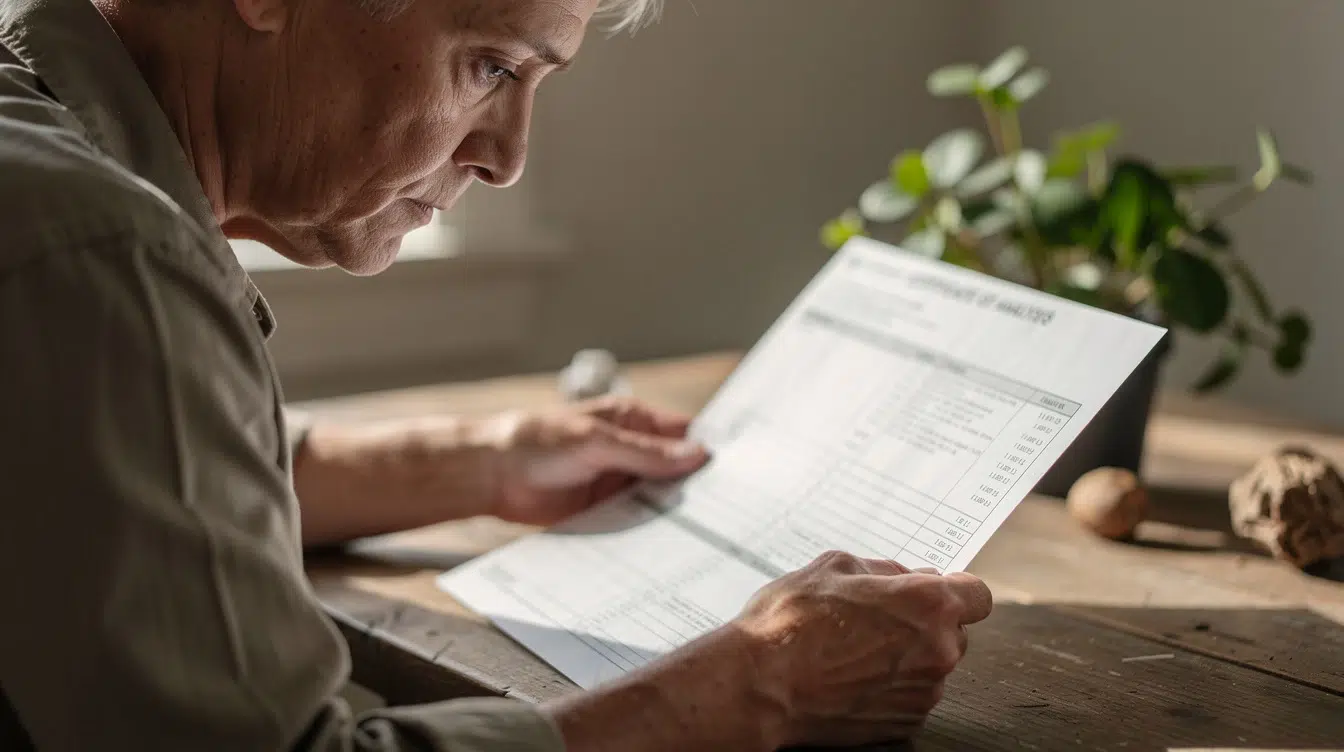

Understanding a CBD Certificate of Analysis(COA) is more than just legal compliance. This document, issued by an independent laboratory, determines the level of trust you can place in a cannabidiol product. Knowing how to interpret the various data points on a Certificate of Analysis helps verify purity,product identification, compliance with regulatory limits, and the actual composition claimed by the supplier. This visual guide illuminates each key section to examine for accurately deciphering a full-spectrum analysis.
Why consult a CBD analysis certificate?
Purchasing CBD products requires specific attention to traceability and safety. The certificate of analysis is therefore an essential guarantee, as it lists the complete and authenticated results of the analyzed batch. This document demonstrates compliance with legal limits, details the profile of cannabinoids present, and specifies any potential contaminants tested for.
Whether included with the purchase or available online via a QR code, its authenticity always depends on its production by an independent laboratory. This independent process protects consumers from questionable practices and strengthens the sector's reliability. For professionals, it also demonstrates transparency to health-conscious customers and ensures compliance .
The different elements of a CBD analysis certificate
certificate of analysis typically consists of several sections providing essential information for assessing quality. Understanding their meaning allows you to quickly identify what distinguishes a responsible product from a non-compliant one.
Product identification and batch number
First and foremost, verify theproduct identification indicated on the certificate. This information must include the precise name of the tested product as well as its batch number or unique reference. This traceability ensures that the report provided corresponds to the bottle, sachet, or resin purchased and not to another sample from a different batch.
This information is crucial in the case of multiple batches or when different extracts are marketed in varying concentrations. Each batch number provides a reliable and targeted identification for the discerning consumer.
Data relating to the independent laboratory
A key criterion for trust is the choice of the independent laboratory responsible for the analyses. Its name must be clearly stated at the beginning or end of the document, sometimes accompanied by its logo or an official stamp attesting to the issuance of the report.
Some certificates also include the date of analysis, the laboratory's postal address, and, more rarely, the name of the person responsible for the test. This information facilitates verification and helps to rule out document fraud.
Main cannabinoid levels: CBD, THC and others
The most scrutinized column remains the one dedicated to the cannabinoid profile. To better understand how to interpret the CBD and THC levels on a certificate of analysis, note that they are generally expressed as a percentage or in milligrams, right next to the level THC . Checking these values is essential to ensure that the product complies with the maximum level permitted by your country's legislation.
It may also include the levels of other active compounds such as CBG, CBC, CBN , or THCV. A wide range of cannabinoids often indicates a full-spectrum or broad-spectrum extract, which is more sought after for its complementary effects (entourage effect).
Analytical methodology and units used
The document frequently describes the method used by the laboratory: high-performance liquid chromatography (HPLC) or gas chromatography coupled with mass spectrometry (GC-MS). Depending on the technique, certain cannabinoids will be better detected or quantified.
Also note the units used: percentages (% w/w), milligrams per gram (mg/g), or micrograms, depending on the expected concentration. This avoids confusion when comparing technical documents from different laboratories.
Contaminant testing and purity control
In addition to cannabinoid levels, the certificate of analysis often mentions the search for undesirable substances: heavy metals, pesticide residues, organic solvents, or mycotoxins. Their results are listed either in a separate column or grouped together with the notation "not detected" or below a legally permitted threshold.
The purity of the product is therefore validated by the absence – or limitation – of these undesirable elements. This point directly impacts safety of use, particularly for sensitive users, and helps to distinguish suppliers committed to quality.
Step by step: how to read a CBD analysis certificate?
Deciphering a certificate of analysis is quite simple with a few key points and a methodical approach. Here is a list of concrete steps to follow when reading it:
- Ensure that the certificate comes from a duly identified, independent laboratory
- Verify theproduct identification (exact name, commercial reference, product identification and batch number)
- Compare the test date with the manufacturing or shipping date
- Examine the table of cannabinoid levels (CBD, THC, other molecules if present)
- Control the results of contaminant tests to guarantee purity
- Assess the compliance of the THC level with applicable legislation
Going through all these steps systematically significantly reduces the risk of buying an illegal, incorrectly dosed or contaminated product.
| Section | Detail | Key points |
|---|---|---|
| Product identification | Name, batch number, reference | Exact match with the product purchased |
| Independent laboratory | Name, address, date of analysis | Guarantee of impartiality and freshness of the result |
| Cannabinoid levels | CBD, THC, others | Compliance, power, full spectrum |
| Purity and contaminants | Pesticides, heavy metals, solvents | Safety, absence of harmful additives |
| Analytical method | HPLC, GC-MS | Measurement reliability |
This table serves as a reminder to keep in mind when comparing different batches or brands.
What are the key points to watch out for to avoid common pitfalls?
Some deceptive practices persist despite increasing regulatory oversight. There are ways to ensure that a CBD analysis certificate is a genuine guarantee of quality and compliance.
Beware of generic or falsified certificates
Sometimes, several products sold by a distributor display the exact same certificate of analysis. This likely indicates a generic approach rather than one specific to each batch number. Prioritize customized analyses performed on each batch actually distributed.
Be wary of fake certificates, which are sometimes digitally altered or downloaded from official foreign sources. A certificate usually includes a signature, a professional stamp, and sometimes a QR code that leads directly to the independent laboratory for independent verification.
Compare the advertised versus measured cannabinoid levels
The claim “3000 mg of CBD” on an oil is only valid if the CBD level found in the Certificate of Analysis (COA) matches this theoretical value. Many discrepancies exist in the CBD market, often due to lax or outdated documentation.
Never hesitate to compare several analyses, especially for identical products from different suppliers. An inadequate THC level can legally lead to seizure, destruction, or penalties, while a high CBD content enhances the product's value in a sustainable way.
Beware of incomplete or difficult-to-understand reports
For reputable companies, the cannabinoid profile displayed must cover all detected molecules, even those present at concentrations below 0.01%. An independent laboratory often conceals deficiencies or a lack of thorough testing (agrochemical residues, residual solvents).
Some producers deliberately conceal the analytical method or use terms that do not conform to recognized scientific vocabulary. If doubt persists, choose products supported by multiple tests or carried out in recognized laboratories within the European Union.
What exactly is the purpose of a batch number on a certificate of analysis?
The batch number on a certificate of analysis links a given product to a specific production run. It verifies that the analysis results correspond exclusively to the purchased item, even if a manufacturer offers several similar variations. This identifier enables complete traceability in the event of a recall or quality complaint.
- Detailed production traceability
- Product-specific analysis evidence
- Guarantee of report authenticity
Why choose a product with analysis delivered by an independent laboratory?
Using an independent laboratory ensures the objectivity and accuracy of the data provided in the certificate of analysis. Unlike internal self-monitoring, this external process prevents cannabinoid levels from being falsified or certain contaminants from being omitted. The trust placed in the product therefore depends directly on this recognized impartiality.
- Objectivity of the results
- Compliance with applicable standards
- Transparency towards consumers
What should be done if the measured THC level exceeds the legal limit?
An excess of THC detected on a Certificate of Authenticity (COA) renders the product unsuitable for sale in most European countries. Compliance with THC limits is a strict regulatory obligation, potentially resulting in criminal or administrative liability for the seller.
- Refuse to purchase the non-compliant batch
- Inform the supplier immediately
- Request a new test on another batch
| Country | Legal limit of THC |
|---|---|
| France | < 0,3 % |
| Italy | < 0,6 % |
| Germany | < 0,2 % |
How to distinguish a genuine certificate of analysis from fake copies?
An authentic certificate displays various security features that are difficult to imitate: a QR code redirecting to the laboratory, an official stamp or signature, and complete details on the methodology and precise product identification. Scanned or altered versions, or those with blank or erased fields, should raise immediate suspicion.
- Check for the presence of an active QR code
- Examine the laboratory's letterhead
- Compare the cannabinoid levels advertised on the packaging and in the report

Editor-in-Chief specializing in CBD
Julien, born on July 17, 1978, in the Paris region, is a prominent writer and expert in the field of CBD products. Following his studies, Julien developed a passion for natural remedies, including CBD. In 2022, he joined the CBD.fr team as an expert and regular contributor. Thanks to his scientific expertise and clear writing style, Julien helps demystify the complexities of CBD, while highlighting its benefits and potential applications through his articles and conference presentations.


