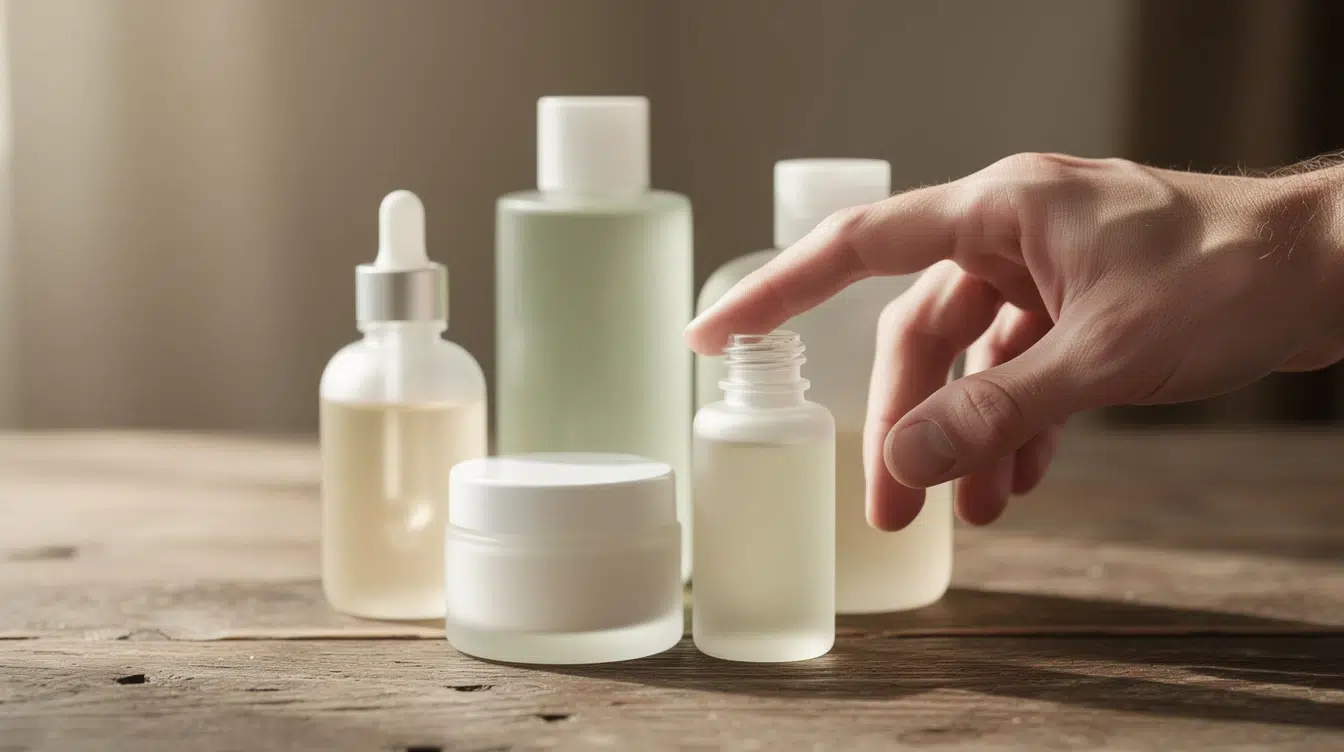

The year 2026 is shaping up to be a real turning point in CBD regulations in France. While most cannabidiol-based products are seeing their status drastically altered, one category is bucking the trend: authorized CBD cosmetics. While edibles and inhalants are facing unprecedented bans, creams, serums, and other topical treatments remain permitted. This distinction is puzzling both industry professionals and consumers familiar with the various uses of the molecule. To understand the underlying reasons for this regulatory exception, it's necessary to examine the new legislation, its rationale, and what truly differentiates CBD cosmetics from other forms.
CBD regulations 2026: an overview of the restrictions
The major overhaul of CBD's legal status in 2026 led to a drastic clarification of the different categories of products containing this cannabinoid. Authorities have decided, more than ever, to draw a clear line between food, medicinal, and cosmetic uses, thus imposing unexpected new restrictions on some popular uses.
The changes directly affect several product categories that were previously easily accessible. CBD flowers authorized , temporarily CBD resins, authorized but only for specific industrial applications, also see their access reduced for the general public. As for CBD e-liquids authorized, they now only benefit from regulated authorizations for private use. In this regard, the ban on CBD food products specifically concerns CBD oils prohibited/unpalatable, infusionsprohibited CBD , and all CBD food products, which are now clearly prohibited.
The case of banned edible CBD: evolution of the official discourse
The ban on edible CBD marks a significant turning point in the institutional perception of cannabidiol. The French National Agency, following a movement initiated and then reinforced by the European Food Safety Authority (EFSA), has finally concluded that the lack of sufficient data and studies now precludes any commercialization intended for ordinary human consumption.
Previously tolerated in some specialty shops and even online, CBD-infused food products , such as supplements, candies, chocolates, and fortified drinks, must now be removed from store shelves. This also applies to all homemade preparations sold, even those with low THC content .
CBD infusions/herbal teas banned and the future of ingestible oils
In line with stricter controls, hemp infusions rich in cannabidiol are specifically targeted by the new restrictions. These prohibited CBD teas now fall into the same category as flower extracts and other ingestible preparations, which are considered to present a poorly assessed toxicological risk.
The same verdict applies to CBD oils, which are prohibited/unmanageable, and long popular for their relaxing effects or ease of dosage. The lack of a European agreement to validate these extracts as a "novel food" under the Novel Food Regulation definitively closes the door to their use as a food supplement and puts an end to their over-the-counter sale in this form.
Why are authorized CBD cosmetics so resistant?
While almost the entire spectrum of CBD products is undergoing drastic tightening, a paradox is striking: cannabidiol cosmetics are weathering the storm unscathed. Neither massage oil, nor moisturizer , nor targeted balm will face legislative veto in 2026. What explains this continued tolerance?
First, it's important to remember that European regulations clearly distinguish between "cosmetics" and food or consumable substances. A cosmetic product is defined as one intended exclusively for application to the external parts of the human body, with no intention of entering the body via the digestive or respiratory systems. This simple change in the route of administration is enough to alter the risk profile assessment by the relevant health agencies.
No proven systemic toxicity when used on the skin
Unlike ingestion or inhalation, for which bioavailability and potential drug interactions are still concerns, topical application of CBD does not currently present any identified risks. Standard tests required for lotions and creams generally confirm a safety profile close to that of conventional ingredients, provided the THC content remains undetectable.
The absence of significant quantifiable side effects for external use supports the claim that "CBD is authorized in cosmetics," provided they comply with the strict limit on THC levels and do not make any therapeutic claims. Control therefore focuses primarily on the origin of the extract used and its conformity with French and European lists.
Limited but stable list of available products
Maintaining an open regulatory window also depends on the structuring of the French and European cosmetics sector. Ingredient declarations, mandatory dermatological studies, and traceability of the production chain make it more difficult to unlawfully introduce new compounds or contaminants into CBD-based formulations.
Today, stores and specialist laboratories offer products focused on a few key ranges:
- soothing and protective creams for sensitive skin, prone to eczema or acne;
- muscle balms and ointments for athletes or users seeking a localized relaxing effect;
- Revitalizing CBD hair care for irritated scalp.
CBD legality: comparative table of major categories in 2026
To better visualize the difference in treatment between product categories, here is a summary table of legal statuses in the first half of 2026 in the French market. This summary provides a quick overview of the specific characteristics of the cosmetics sector compared to other, formerly leading, segments.
| Product category | Legal status 2026 | Main conditions / remarks |
|---|---|---|
| CBD cosmetics | Allowed | No medical claims, THC not detected, for external use only |
| CBD food products | Forbidden | No marketing authorization, ingestion prohibited |
| CBD flowers | Subject to restriction | Limited access; sale to the general public prohibited except for industrial/medical use |
| CBD resins | Restricted | Same regime as the flowers, strictly controlled |
| CBD e-liquids | Under specific authorization | For personal use only, THC limit must be respected, advertising strictly regulated |
| Ingestable CBD oils | Forbidden | Same reason as for food products: food safety deemed insufficient |
| CBD Infusions/Herbal Teas | Forbidden | Classified as foodstuffs, subject to the same prohibition |
This chart demonstrates the resilience of the cosmetics category in a context where most traditional formats are facing regulatory extinction. This unique situation naturally sparks curiosity, even covetousness, among many players seeking to reposition themselves in this reliable and sustainable niche.
Practical consequences for brands, distributors and consumers
Faced with the 2026 CBD regulations, distributors and manufacturers are radically changing their strategies. Many are investing heavily in research and the formulation of authorized CBD cosmetics, relying on solid scientific evidence regarding hydration, soothing fragile skin, and joint comfort.
From a consumer perspective, this shift requires a rethinking of habits. Those who previously used prohibited/unpalatable CBD oils or prohibited CBD infusions/teas are now turning to topical treatments and adapted body routines, exploring the natural synergies offered by hemp in its external form.
- Verification of the organic origin and traceability of CBD used in cosmetics
- Rigorous analysis of the composition (total absence of THC, hypoallergenic formulations)
- Information on the actual CBD content to avoid misleading marketing claims
- Priority is given to transparent brands capable of providing analyses and certificates of conformity
As a result, the market is seeing the emergence of a new generation of informed consumers, aware of regulatory issues and able to distinguish genuine strengths from superficial marketing, while green cosmetics continues its growth.
Why are CBD cosmetics allowed while CBD food is prohibited?
- No systemic effect has been demonstrated for topical use
- Obligation to declare the origin of CBD
- Dermatologically tested finished product
What precautions should be taken before buying CBD cosmetics in 2026?
- Ensure that the CBD comes from licensed European hemp
- Avoid any wording that promises illegal medical results
- Check the list of potential allergens to limit skin risks
Are CBD oils for topical use still legal?
- Click on "for external use only" on the packaging
- Refuse any advice regarding oral ingestion from a vendor
| Type of CBD oil | Status 2026 |
|---|---|
| Cosmetic oil | Allowed |
| Inedible oil | Forbidden |
Is it possible to make your own CBD cosmetics for personal use?
- Use a 99% pure CBD isolate guaranteed to be THC-free
- Opt for certified organic vegetable oils for the skin
- Never sell or distribute the product without approval

Editor-in-Chief specializing in CBD
Julien, born on July 17, 1978, in the Paris region, is a prominent writer and expert in the field of CBD products. Following his studies, Julien developed a passion for natural remedies, including CBD. In 2022, he joined the CBD.fr team as an expert and regular contributor. Thanks to his scientific expertise and clear writing style, Julien helps demystify the complexities of CBD, while highlighting its benefits and potential applications through his articles and conference presentations.