
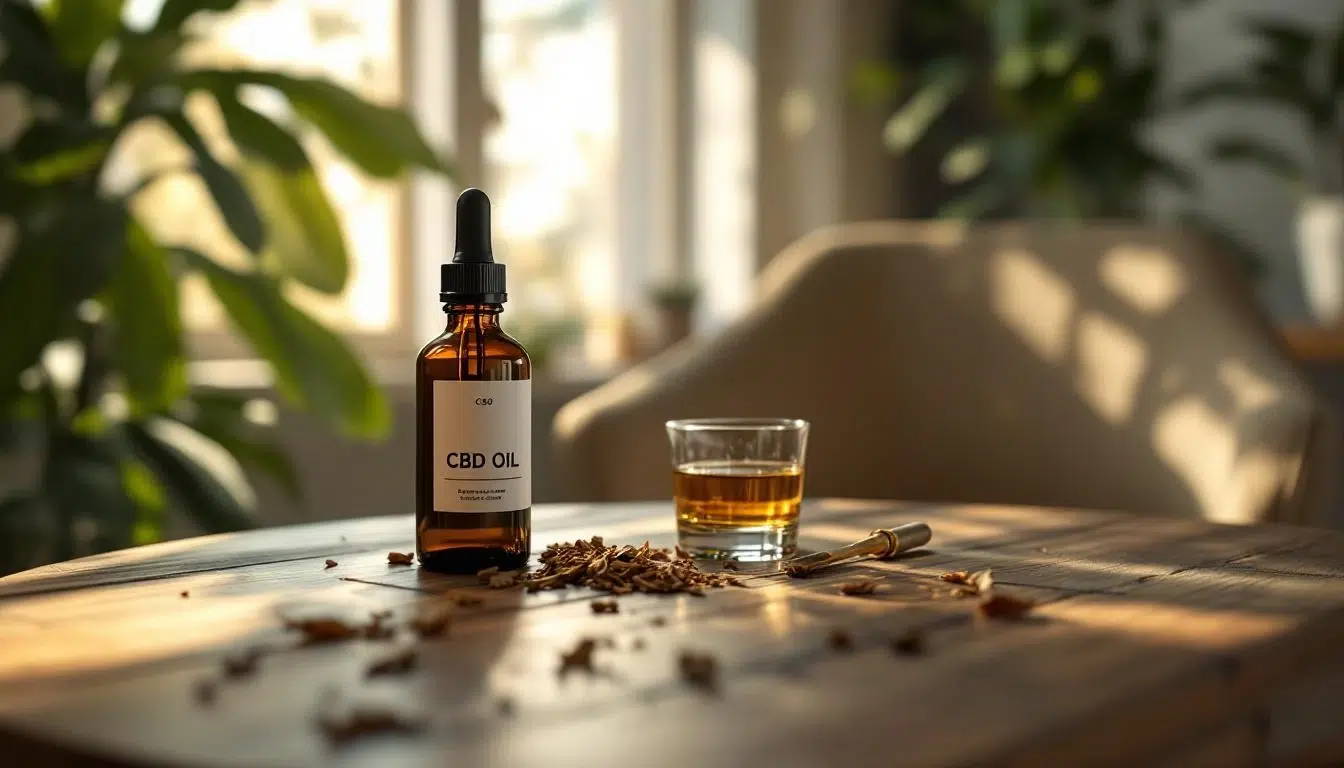

CBD is increasingly appearing in discussions about addiction and withdrawal. The promises of natural solutions are appealing, especially to those struggling with tobacco or alcohol addiction. Between testimonials, recent scientific research, and sometimes contradictory perceptions, a central question arises: can CBD truly offereffective help with withdrawal ? An educational exploration is necessary to better understand the complex relationship betweenCBD, addiction and the process of quitting. Understanding Addiction and the Challenges of Withdrawal
Addiction
is based on a brain mechanism whereimmediate pleasure takes precedence over rational control. Tobacco like alcohol acts on this circuit, making quitting difficult to cope with. Beyond the physical withdrawal symptoms,withdrawal involves intense psychological dimensions, as routine and social habits also play a significant role in the persistence of addiction. Withdrawal symptoms vary in intensity but often include
anxiety, irritability, sleep disturbances, compulsive cravings, and restlessness. Coping with these symptoms without support is not always possible, hence the growing interest in new approaches such as the use of CBD in thewithdrawal process. What are the effects of CBD on addiction?Derived fromcannabis,
cannabidiol (CBD) has no psychoactive effect and therefore does not cause euphoria or loss of mental control. Its potential lies primarily in its regulatory action on several bodily systems involved in managingstress, anxiety, and pain. These properties have attracted the attention of researchers specializing in the study of addictions, particularly tobacco and alcohol. When examining the action of CBD It appears capable of indirectly influencing relapse factors. By helping to calm agitation and reduce anxiety, it could facilitate resistance to the sudden or compulsive cravings characteristic of withdrawal. Furthermore, some users also report improved sleep quality, a key element in successful quitting. Smoking cessation: potential benefits of CBDHow does CBD affect the urge to smoke? Preliminary clinical trials have shown a significant decrease in the number of cigarettes consumed by some smokers who opted for CBD-based products. This substance appears to act on two levels. First, CBD helps modulate the intense craving associated with nicotine thanks to its anxiolytic properties. Second, it promotes relaxation without producing a euphoric effect or a feeling of “withdrawal,” a considerable advantage during this difficult transition. Discover how to easily acquire 100% legal CBD flowers and oils via a website specializing in the sale of legal CBD in Franceif you wish to incorporate this type of product into your smoking cessation strategy.In everyday life, some ex-smokers explain how incorporating
CBD in oil form or vaporization helps them control the urge to relapse into a cigarette during critical moments. This complementary use does not replace a structuredsmoking cessation method but is often used as an ally within overall support strategies. Reducing nicotine withdrawal symptoms Managing nervousness, reducing irritability, regaining better emotional balance… these are all needs expressed by those trying to quit smoking. One of the main effects ofCBD is precisely itsanti-inflammatory and relaxing action
. Faced with the
withdrawal symptoms
This property helps to mitigate the stress spikes frequently observed during the initial phase of quitting. Furthermore, various studies are now exploring the links between cannabidiol and the reduction of symptoms associated with depression or anxiety during withdrawal; to delve deeper into these potential therapeutic benefits, consult this detailed article on the potential of CBD against conditions such as depression or anxiety. Moreover, unlike traditional nicotine replacement therapies,CBD does not cause secondary dependence. In the majority of studies, no serious adverse effects have been observed with responsible use, although further research is needed to confirm these findings in the long term.
The impact of CBD in helping with alcohol withdrawal Effect of CBD on alcohol cravings Quitting alcohol often leads to strong emotional reactivity and an overwhelming need (“craving”) that can promote relapse. CBD may also be of interest here, thanks to its ability to modulate the stress response and regulate certain chemical interactions in the brain related to reward. Research conducted on animal models suggests a reduction in the motivation to consume alcohol after CBD administration. Even though human trials remain limited, many professionals observe less attention to alcohol in their patients when they use CBD in their withdrawal protocol. Does it alleviate the physical and psychological symptoms associated with alcohol withdrawal? Alcohol withdrawal frequently generates symptoms similar to those of nicotine withdrawal: anxiety, insomnia, muscle pain, and agitation. Thanks to its pain-relieving and antioxidant properties, CBD would provide valuable support in navigating these uncomfortable states.
Some users report improved emotional stability and less tension during their critical withdrawal period. To maximize benefits, CBD should be integrated into a comprehensive approach that includes medical monitoring, psychological support, and personalized dosage adjustment.
Comparison of Approaches and Key Observations There are various methods of quitting smoking, each with its own advantages and limitations. Comparing the benefits of CBD to other traditional aids helps to identify its strengths as well as its drawbacks. Here is a summary: Nicotine replacement therapies: effective due to the temporary maintenance of nicotine, but risk of persistent dependence; Anti-addiction medications: targeted actions but significant side effects;CBD: natural, relief from some withdrawal symptoms, no added dependence, but studies are still in their early stages and results vary from person to person. Approach AdvantagesDisadvantages Nicotine replacement therapyReduces cravings, familiar to users
Residual dependence, long-term cost Traditional medicationProven effectiveness, prescription required Possible side effects, monitoring necessary CBD Natural support, relaxation, few side effectsLimited studies, variability in responses
Precautions, limitations, and best practices for CBD use
Using CBD requires discernment and knowledge of one’s own body. Everyone reacts differently, hence the importance of starting with a low dose and then gradually adjusting as needed. Taking CBD in addition to traditional methods can be beneficial, especially in consultation with a healthcare professional familiar with this type of substance. Also, be aware of potential interactions with certain medications and the variable quality of CBD extracts.
Commercially available CBD productsIt’s best to choose products that have been lab-tested, are transparent about their composition, and are free of psychoactive THC to ensure a safe and optimal experience. Frequently Asked Questions about CBD and quitting smoking and alcohol Does CBD itself create addiction? Unlike nicotine or alcohol, CBD has not shown any addictive potential to date, according to available research. Its consumption does not cause withdrawal symptoms or tolerance requiring a gradual increase in dosage. No euphoric effect No change in social behavior
Low risk of addiction according to current epidemiological studiesWhich form of CBD should I choose when quitting?The choice depends on individual preferences and the desired speed of effect. CBD oil is popular for its ease of use and precise dosage, while vaping is appealing due to its rapid absorption and the convenient hand-mimicry it provides as a useful alternative to cigarettes. Sublingual oils Infusions Cosmetics to help relax musclesGums or lozengesForm
Onset of action
Description Oil 15-30 min Used under the tongue, long-lasting effect Vape A few minutes Very fast absorption
Gum 30-45 min Discreet, controlled release
How long does it take to use CBD to feel relief from quitting?
The duration varies depending on the individual, their level of addiction, and the method chosen. Some feel an improvement within the first few days, while others may need several weeks to see a significant change when quitting smoking or alcohol. Regularly monitor your sensations. Adjust the dosage according to the evolution of symptoms.Maintain professional follow-up in cases of significant dependence. Can CBD alone be enough to stop a severe addiction to tobacco or alcohol?
- For a proven addiction, CBD can be helpful but rarely a sole solution, especially when the problem is deep-seated. Medical, psychotherapeutic, and sometimes medication-based support remains essential to maximize the chances of successful withdrawal. Regular progress assessment
- Specialized support recommended Integration of CBD into a comprehensive strategy


